Jyolikot Water Contamination: High Court Orders Emergency Measures
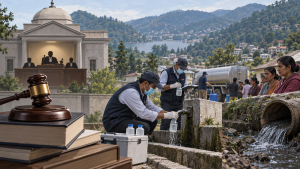
On 8 September 2026, the Uttarakhand High Court heard a public interest litigation over illnesses reported in villages around Jyolikot in Nainital district. Diarrhoea, jaundice and typhoid cases, two deaths and more than 250 people falling ill were reported amid concerns about drinking-water contamination. At the hearing, Jal Sansthan officials admitted that sewer water had mixed with a water source near an old garbage pit.
Court orders sampling and emergency measures
The court ordered the Uttarakhand Pollution Control Board’s Regional Officer to collect samples from 20 to 25 water sources in Nainital and nearby areas and submit a report within six days. The Board had collected nine samples from Jyolikot and surrounding areas on 8 September; test findings were not yet publicly reported on that date. The court directed the District Magistrate to monitor relief personally, arrange tanker supplies of pure drinking water and establish a helpline for sewer-leakage complaints. It expressed deep displeasure at official negligence and described the situation as “pandemic-like”.
State response
The hearing was attended by the District Magistrate, Chief Medical Officer and senior officials from Jal Sansthan and Jal Nigam. The state also announced upcoming changes to water-supply monitoring.
Important Facts for Exams
- Indian PIL origins: Public interest litigation entered India’s judicial system around 1979–80 through the work of Supreme Court Justices V. R. Krishna Iyer and P. N. Bhagwati.
| Related | |
|---|---|