Page-2 of GS-I: Modern World History
Bar Kokhba Revolt
Bar Kokhba revolt was an armed uprising of Jews against the Roman Empire in ancient Israel. It is also known as the 3rd Jewish Roman War. It took...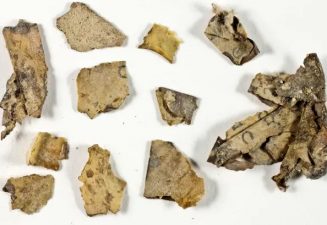
Dead Sea Scrolls
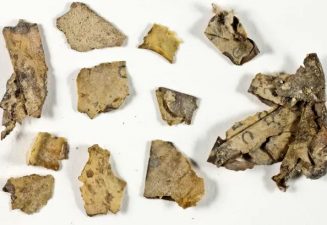
Dead Sea scrolls or Qumran Cave scrolls are a collection of religious manuscripts that were discovered in desert caves in West Bank above Dead Sea. Between 1947 and...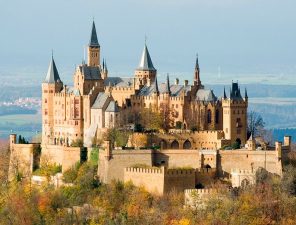
Hohenzollern
Hohenzollern is a royal dynasty in Germany. Its origin can be traced back to the 11th century. One of its most notable member is Kaiser Wilhelm II, the...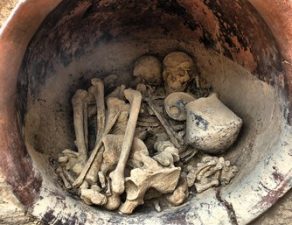
El Argar
El Argar culture was an early Bronze Age culture in the Iberian Peninsula of Europe that existed between 2200 B.C. and 1500 B.C. Some of the characteristics of... La Almoloya
La Almoloya is an archaeological site located in the Iberian Peninsula. It a bronze age site that falls within the territory of modern day Spain. It is an...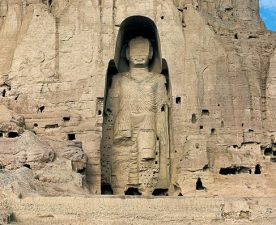
Bamiyan Buddhas
Bamiyan Buddhas refer to two large statues of Buddha in Afghanistan that date back to the 5th century AD. These statues- Salsal (meaning: light shines through the universe)...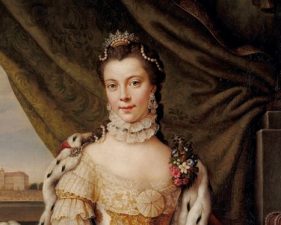
Queen Charlotte
Queen Charlotte was the queen consort of King George III who ruled over the UK till 1820. Some historians claim that she was the first mixed race Royal...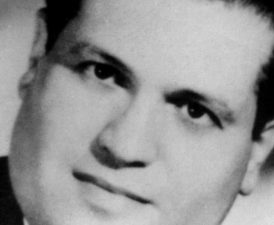
Ali Boumendjel
Ali Boumendjel was an Algerian freedom fighter. He was a lawyer who served as an intermediary between the moderates and the revolutionaries when the North African nation was...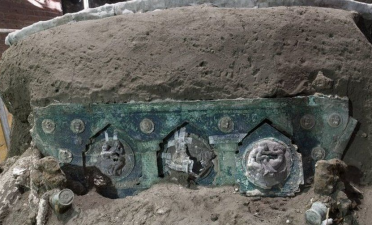
Pompeii
Pompeii is an archaeological site in southern Italy’s Campania region near the coast of the Bay of Naples. It is buried under mounds of ash and pumice after...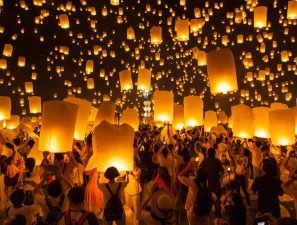
Lantern Festival
Lantern festival is celebrated on February 26 this year. It is celebrated on the 15th day of the first Chinese lunar month. It usually occurs between February 5...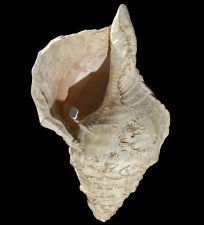
Conch of Marsoulas
The conch of Marsoulas is an ancient seashell horn that was used as a wind instrument some 18,000 years ago. It was discovered in 1931 in the Marsoulas...