Environment & Biodiversity
Carbon Neutral Airports in India
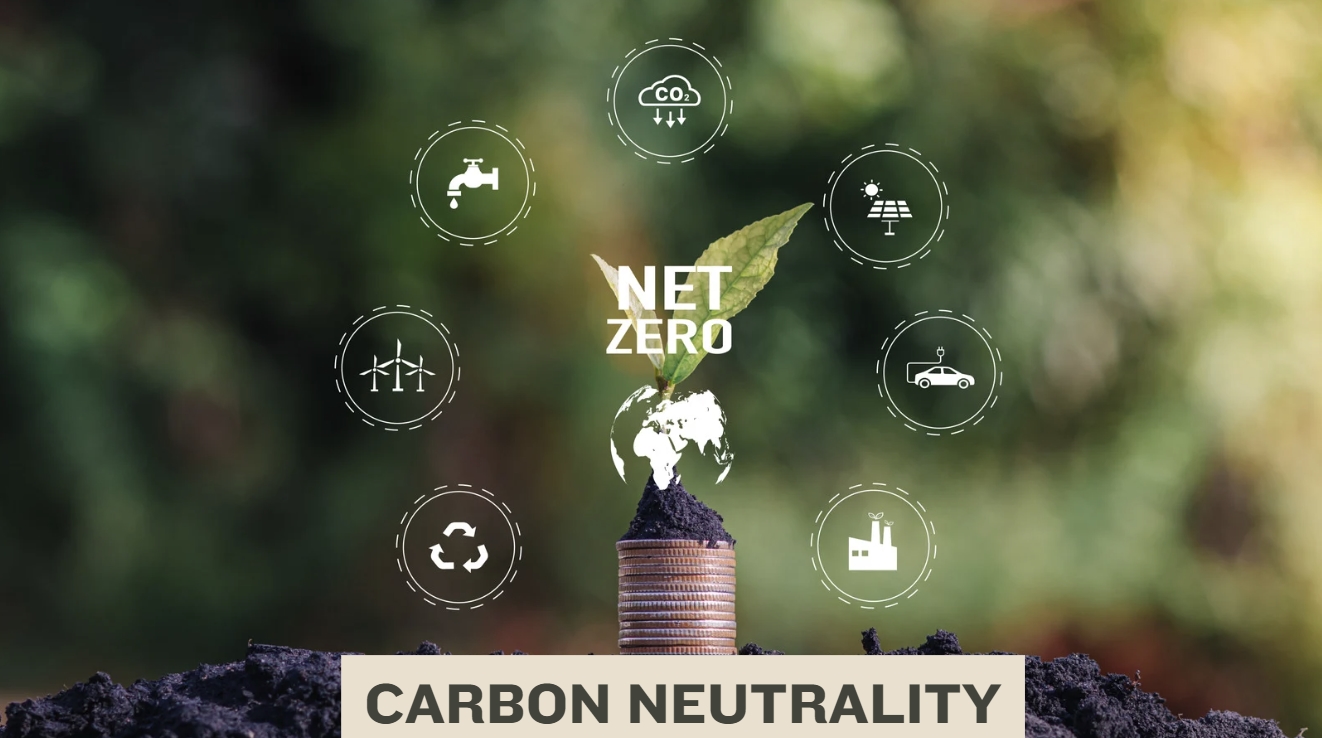
Carbon neutrality refers to balancing carbon emissions with carbon absorption. It is crucial for mitigating climate change. The aviation sector plays role in this effort. Airports contribute to...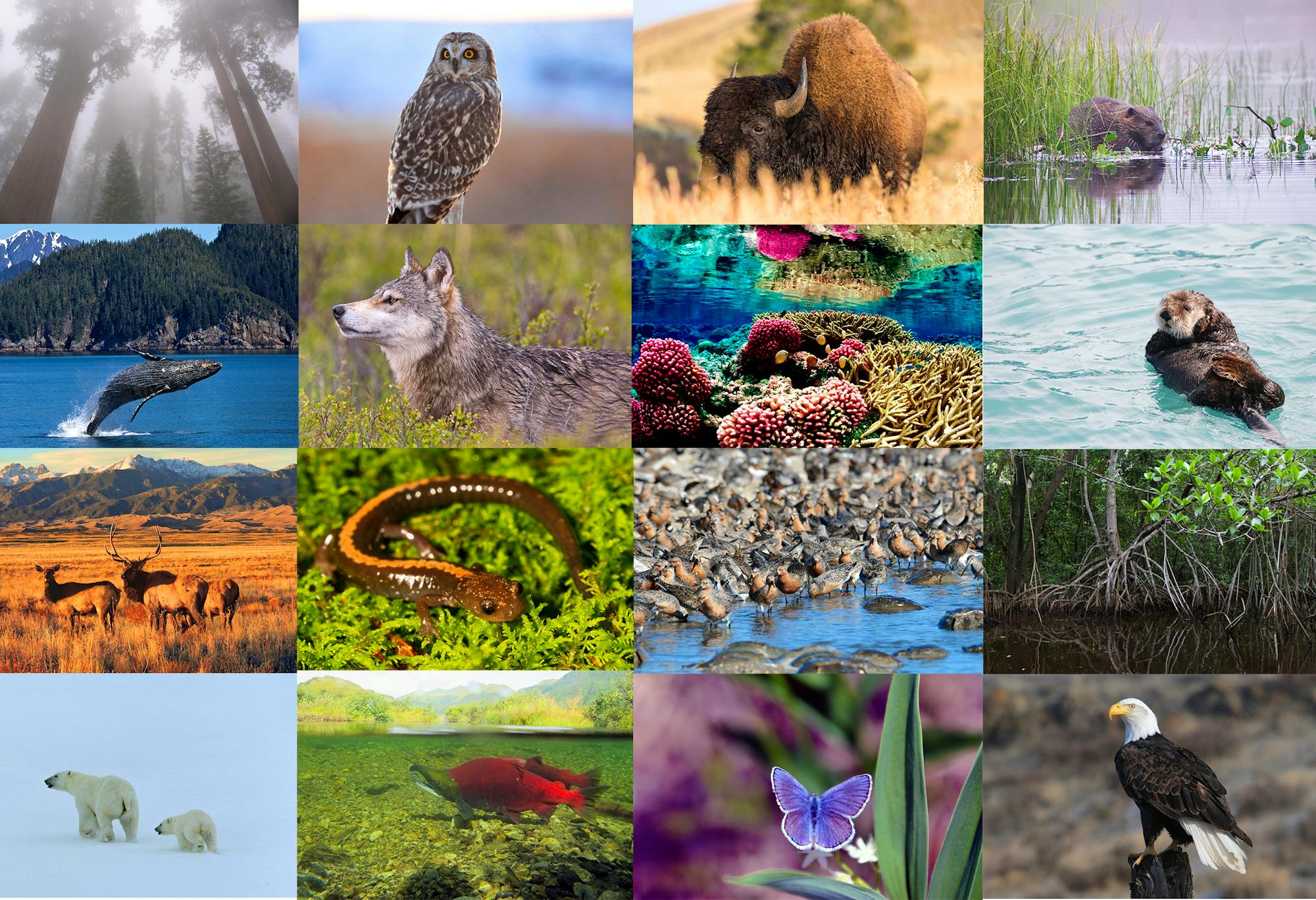
Biodiversity Management in India
Biodiversity refers to the variety of life forms on Earth. It encompasses species diversity, genetic diversity, and ecosystem diversity. Biodiversity is crucial for ecosystem services, human well-being, and...
Central Pollution Control Board (CPCB)
The Central Pollution Control Board (CPCB) is a statutory organization under the Ministry of Environment, Forest and Climate Change, Government of India. It was established in 1974 under...
United Nations Environment Programme (UNEP)
The United Nations Environment Programme (UNEP) is a leading global environmental authority established in 1972. Its mission is to provide leadership and encourage partnership in caring for the...
World Environment Day
World Environment Day is celebrated annually on 5 June and is the United Nations’ principal vehicle for encouraging awareness and action for the protection of the environment. First...
Centre for Science and Environment (CSE)
The Centre for Science and Environment (CSE) is a public interest research and advocacy organisation based in New Delhi. Established in 1980, CSE works as a think tank...
International Union for Conservation of Nature (IUCN)
The International Union for Conservation of Nature (IUCN) is a global environmental organization founded in 1948 with the mission to influence, encourage, and assist societies throughout the world...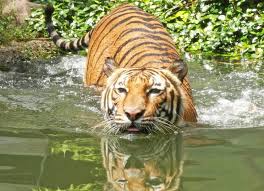
Project Tiger
Project Tiger was launched on April 1, 1973 to conserve tigers in their wild habitats by designating certain areas of nearby national parks, wildlife sanctuaries and reserve forests...National Green Tribunal
National Green Tribunal is a statutory body established by a Government Notification using the powers of Section 3 of the NGT Act 2010. It has replaced National Environment...Project Elephant
Project Elephant was launched in 1992 to assist the States having free ranging populations of wild elephants to ensure the long term survival of identified viable populations of...Coastal Regulation Zone (CRZ)
The coastal regulation zones (CRZ) refer to specific coastal stretches defined by the Ministry of Environment, Forest and Climate Change where regulation is imposed on various activities. As...