Andhra Pradesh Starts 10% Broken-Grain Ration Rice Distribution
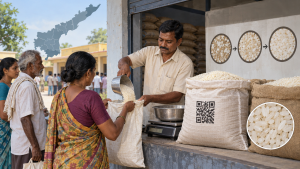
Andhra Pradesh began distributing ration rice containing no more than 10% broken rice in 17 districts on September 1, 2026. The state government said the change aims to improve the quality of rice supplied through Public Distribution System (PDS) shops.
Distribution and expansion plans
The government plans to extend distribution to 20 districts in October and roll it out statewide over the following two to three months. The state supplies about 2.31 lakh tonnes of ration rice each month to 4.35 crore beneficiaries, at an average cost of Rs 46 per kilogram. QR-coded bags are being used to support transparency.
Rice quality and central policy
The broken-rice limit was earlier up to 25%, then reduced to 15% using Sortex technology, and is now set at 10%. Civil Supplies Minister N Manohar said the state had implemented the 10% limit as a pilot. On July 2, 2026, the Union Government approved a reform allowing raw rice with up to 10% broken rice under the Pradhan Mantri Garib Kalyan Anna Yojana (PMGKAY) and other welfare schemes; Andhra Pradesh was among the pilot states. The state is also seeking Union approval to supply steamed rice through ration shops.
Important Facts for Exams
- PDS institutional roles: Under the National Food Security Act, the Union procures and allocates foodgrains, while states identify eligible households and supervise fair-price-shop delivery.
- PMGKAY foodgrain pricing: Since January 2024, eligible National Food Security Act households have received their allotted foodgrains free under PMGKAY, replacing the previous subsidised-price arrangement.
- Optical sorting mechanism: Optical rice sorters use cameras and sensors to distinguish discoloured or defective kernels, then remove selected grains with compressed-air ejectors.
- Parboiled and raw rice: Parboiled rice is made by soaking and steaming paddy before milling; raw rice is milled without this hydrothermal pre-treatment.
| Related | |
|---|---|