Page-3 of Ancient Indian History
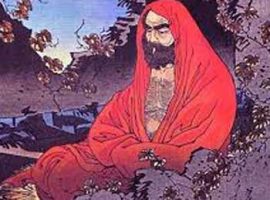
Bodhidharma
Bodhidharma is traditionally regarded as a semilegendary Buddhist monk who lived during the 5th or early 6th century CE. He is credited in East Asian Buddhist tradition as...
Chalcolithic
The Chalcolithic, also known as the Copper Age or Eneolithic, represents a distinct archaeological period marked by the emergence and gradual intensification of copper use. Positioned chronologically between...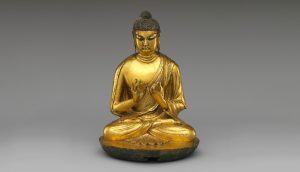
Hinayana
Hīnayāna is a Sanskrit term historically applied to describe certain early Buddhist paths, particularly those associated with Śrāvakayāna and Pratyekabuddhayāna. Emerging around the first or second century, the...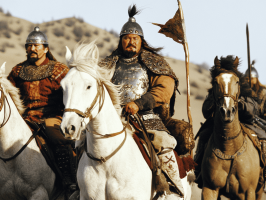
Huns
The Huns were a nomadic confederation that emerged from the Eurasian Steppe and played a decisive role in the political and military transformations of Europe between the fourth...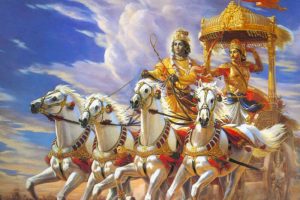
Mahabharata
The Mahābhārata is one of the two great Sanskrit epics of ancient India and is revered within Hindu tradition as a Smṛti text. Alongside the Rāmāyaṇa, it forms...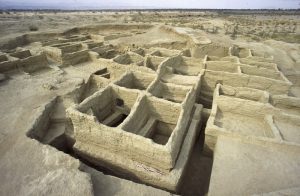
Mehrgarh
Mehrgarh is a major Neolithic archaeological site located on the Kacchi Plain of Balochistan in modern-day Pakistan. Positioned near the Bolan Pass and to the west of the...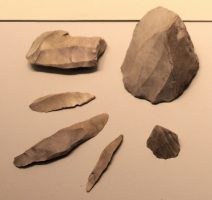
Microlith
Microliths are small prehistoric stone tools, typically manufactured from flint or chert, and usually measuring around one centimetre in length and half a centimetre in width. They appeared...Dhammapiya
Dr Dhammapiya is a respected Indian Buddhist monk, scholar, and educator known for his leadership in promoting Buddhist education, interfaith harmony, and global Buddhist cooperation. He has played...The Stone Age
The Stone Age marks the earliest period of human history, characterized by the use of stone tools. It is typically divided into three phases: the Paleolithic, Mesolithic, and...The Stone-Copper Phase
Transition from Stone to Metal Use The Stone-Copper Phase, also known as the Chalcolithic period, marks a significant transitional era in human prehistory where communities began to use...The Harappan Civilization
The Harappan Civilization, also known as the Indus Valley Civilization, was one of the world’s three earliest urban civilizations, alongside those in Egypt and Mesopotamia. Flourishing around 2600...