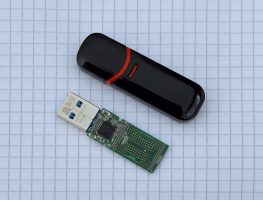
Flash memory is a type of non-volatile computer storage that retains data even when the power supply is turned off. It is widely used in electronic devices such...
Synchronous Dynamic Random-Access Memory (SDRAM) and Double Data Rate SDRAM (DDR SDRAM) are two major types of computer memory technologies that revolutionised data processing speed and efficiency in...
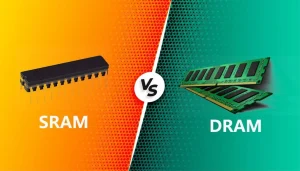
Memory technologies such as SRAM (Static Random Access Memory), DRAM (Dynamic Random Access Memory), and VRAM (Video Random Access Memory) form the backbone of modern computing systems. Each...
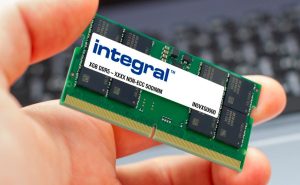
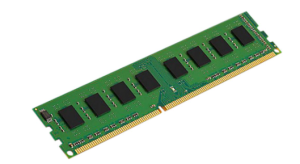
In computer systems, memory plays a fundamental role in storing data and instructions that the processor requires to perform operations. Among the various types of computer memory, RAM...
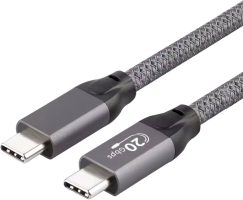
The concept of data transfer speed refers to the rate at which digital data is transmitted from one device to another. In the context of pictures and videos,...
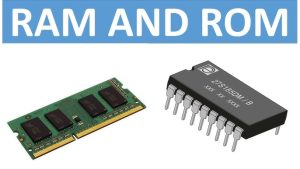
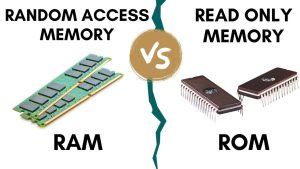
ROM (Read-Only Memory) and RAM (Random Access Memory) are two fundamental types of computer memory that play distinct yet complementary roles in the functioning of any computing system....
A programmable read-only memory (PROM) or field programmable read-only memory (FPROM) is a form of digital memory where the setting of each bit is locked by a fuse...
Random Access Memory (RAM) is a fundamental component of computer systems, serving as the main memory where data and programs are temporarily stored during processing. It is termed...
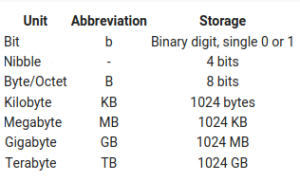
Byte A byte is the most commonly used unit of digital information storage and processing. Traditionally, it represents a sequence of 8 bits, where a bit is the...
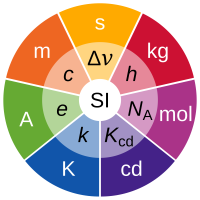
The SI (International System of Units) and IEC (International Electrotechnical Commission) systems are two parallel frameworks used for denoting units of measurement, particularly in scientific, engineering, and computing...
In computing and digital electronics, bits and bytes are the fundamental units of data representation and measurement. Every form of digital information—whether text, image, audio, or video—is ultimately...
Complementary Metal-Oxide-Semiconductor (CMOS) is a key semiconductor technology used in constructing integrated circuits, including microprocessors, memory chips, image sensors, and digital logic circuits. It is characterised by the...