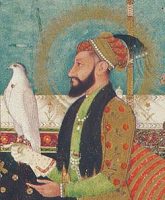
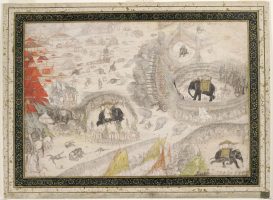
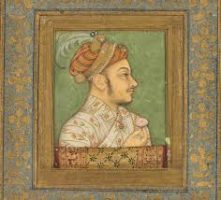
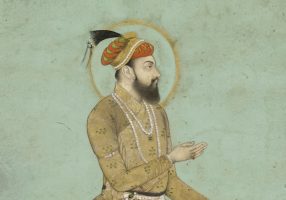
Aurangzeb, formally known as Abul Muzaffar Muhi-ud-Din Muhammad Aurangzeb Alamgir, was the sixth and last of the great Mughal emperors of India. He reigned from 1658 to 1707...
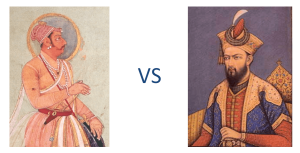
The elimination of brothers by Aurangzeb refers to one of the most dramatic and decisive successions in Mughal history. Following the death of Emperor Shah Jahan, a fierce...
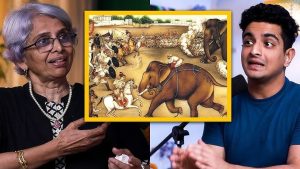
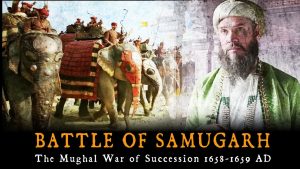
The Battle of Samugarh, fought on 29 May 1658, was one of the decisive confrontations during the Mughal War of Succession among the sons of Emperor Shah Jahan....
The Battle of Dharmatpur, also known as the Battle of Dharmat, was a decisive engagement fought on 15 April 1658 during the Mughal War of Succession. The conflict...
The War of Succession following the illness of Emperor Shah Jahan in 1657 was one of the most decisive and dramatic episodes in Mughal history. It was not...
Murad Baksh (1624–1661) was a Mughal prince and the youngest son of Emperor Shah Jahan and Empress Mumtaz Mahal. As a member of the illustrious Mughal dynasty, he...
Shah Shuja, a prominent figure in Mughal history, was one of the sons of the Mughal Emperor Shah Jahan and Empress Mumtaz Mahal. He played a significant role...
Dara Shikoh (1615–1659) was a Mughal prince, scholar, and spiritual thinker, renowned for his intellectual curiosity, liberal religious outlook, and attempts to bridge Hindu and Islamic thought in...
Mohyuddin Muhammad Aurangzeb was born in 1618 and had already been the Governor of Deccan after 1636, when his father had led the campaigns in person and annexed...
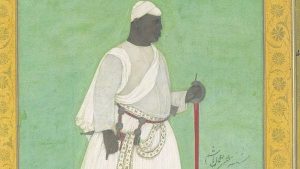
Malik Ambar (1548–1626) was one of the most remarkable statesmen and military commanders in the history of the Deccan. Originally an African slave who rose to the position...
The Deccan Policy of Shah Jahan refers to the strategic and administrative approach adopted by the Mughal Emperor Shah Jahan (1628–1658) towards the Deccan region of India, which...
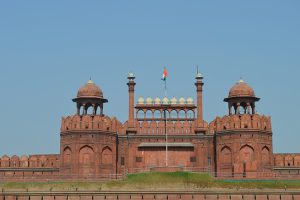
Shahjahanabad, founded by the Mughal Emperor Shah Jahan in 1639, was the seventh city of Delhi and served as the imperial capital of the Mughal Empire in the...