The Economic Survey 2018-19 was tabled in the parliament by the Union Minister for Finance and Corporate Affairs. The Key Highlights of Economic Survey 2018-19 are as follows:...
The Union Budget 2019 had the following to say about the Indian Railways in its annual document. Salient Features in the Budget for the Indian Railways Capital expenditure...
To further encourage people to use digital payments as the preferred mode of their transactions, the Union Budget has announced the following measures to make digital payments successful-...
The Union Budget 2019 has made separate provisions for foreign neighbors of India. What has been done for them? The Union Budget has allocated a total budget allocation...
The Union Budget 2019 has made certain provisions that will enable home buyers and real estate developers to benefit from it. What has been given? The Union Budget...
While most economists had anticipated that the government might impose an inheritance tax on the super-rich, the government has not decided to follow through this time and has...
The Union Budget 2019 has made provisions for the relaxation in the FDI norms in the aviation sector. This will allow the beleaguered airlines of India – Air...
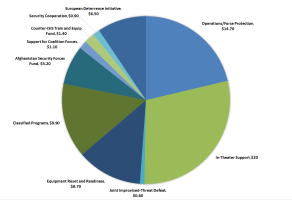
The Union Budget of India has allocated nearly Rs 3.18 crore for the Defense sector in the budget. This is a modest increase of Rs 20,000 crore over...
The Union Budget 2019 has allocated Rs 62,559 crore for healthcare spending in the financial year 2018-2019. This is an increase of 19% over the last year. Salient...
The Central Government of India has proposed a relaxation in the FDI norms for the various sectors like the media, aviation, insurance and single brand retail. This will...
Privatisation in India refers to the transfer of ownership, management, and control of public sector enterprises (PSEs) or government assets to private entities, either partially or fully. It...
As per data available with the government, the arrival of foreign tourists in India rose by 5.2% and the total number of foreign tourists arriving in India is...