Page-9 of General Science – Chemistry
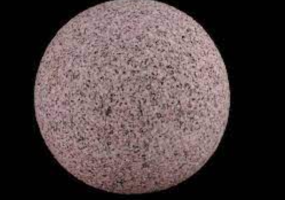
Radon
Radon is a colourless, odourless, and radioactive noble gas with the chemical symbol Rn and atomic number 86. It is one of the heaviest gases known, and unlike...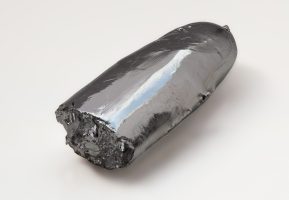
Ruthenium
Ruthenium (symbol Ru, atomic number 44) is a rare, silvery-white transition metal belonging to the platinum group elements (PGEs). It is hard, brittle, and chemically inert, resisting oxidation...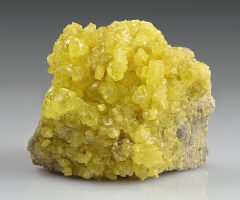
Sulphur
Sulphur (symbol S, atomic number 16) is a non-metallic chemical element found abundantly in the Earth’s crust and atmosphere. It is a bright yellow, brittle solid at room...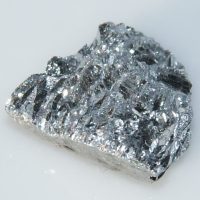
Antimony
Antimony is a lustrous, silvery-grey metalloid with the chemical symbol Sb (from the Latin stibium) and atomic number 51. It occupies a distinctive position in the periodic table...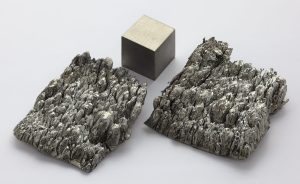
Scandium
Scandium is a silvery-white metallic element with the chemical symbol Sc and atomic number 21. It belongs to the group of transition metals and is often classified with...
Selenium
Selenium is a non-metallic chemical element with the symbol Se and atomic number 34, belonging to Group 16 (the chalcogen group) of the periodic table, alongside oxygen, sulphur,...
Seaborgium
Seaborgium (symbol Sg, atomic number 106) is a synthetic, highly radioactive transition metal and a member of the 6d series of the periodic table. It belongs to Group...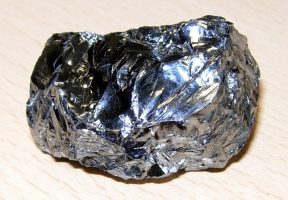
Silicon
Silicon is a metalloid element with the chemical symbol Si and atomic number 14. It is the second most abundant element in the Earth’s crust, after oxygen, and...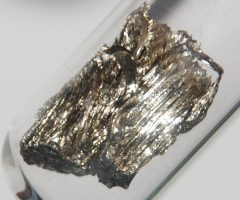
Samarium
Samarium is a rare earth element with the chemical symbol Sm and atomic number 62, belonging to the lanthanide series of the periodic table. Although classified as a...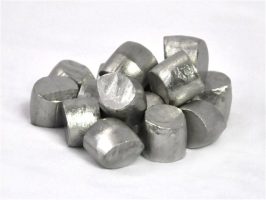
Tin
Tin is a soft, malleable, silvery-white metal with the chemical symbol Sn (from the Latin stannum) and atomic number 50. Known to humanity for thousands of years, tin...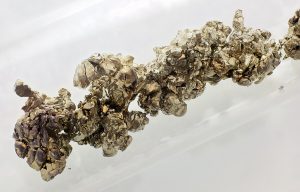
Strontium
Strontium is a soft, silvery-yellow alkaline earth metal with the chemical symbol Sr and atomic number 38. It is chemically similar to calcium and barium and is known...