Page-3 of General Science – Chemistry
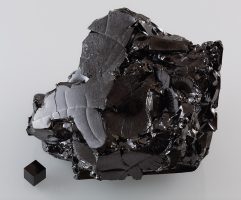
Carbon
Carbon is a non-metallic element with the symbol C and atomic number 6, belonging to Group 14 of the periodic table. It is one of the most abundant...
Calcium
Calcium is a metallic element with the symbol Ca and atomic number 20, belonging to Group 2 (alkaline earth metals) of the periodic table. It is the fifth...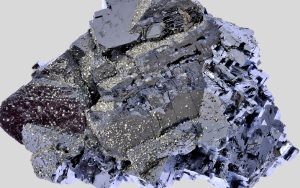
Cadmium
Cadmium is a soft, bluish-white metallic element with the chemical symbol Cd and atomic number 48, belonging to Group 12 of the periodic table. It is chemically similar...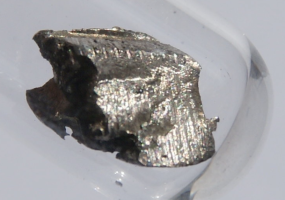
Cerium
Cerium is a silvery-white metallic element with the chemical symbol Ce and atomic number 58, belonging to the lanthanide series of the periodic table. It is the most...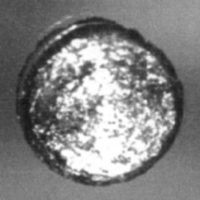
Californium
Californium is a synthetic radioactive element with the symbol Cf and atomic number 98, belonging to the actinide series of the periodic table. It is one of the...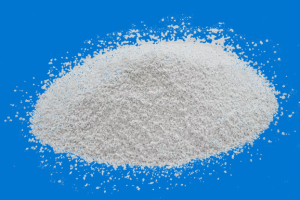
Chlorine
Chlorine is a greenish-yellow gaseous element with the symbol Cl and atomic number 17, belonging to the halogen group (Group 17) of the periodic table. It is a...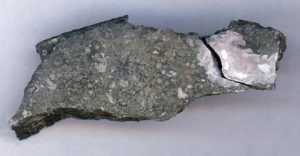
Curium
Curium is a synthetic, radioactive metallic element belonging to the actinide series of the periodic table, with the chemical symbol Cm and atomic number 96. It was first...
Copernicium
Copernicium is a synthetic, radioactive element with the chemical symbol Cn and atomic number 112. It belongs to the group 12 elements of the periodic table, alongside zinc,...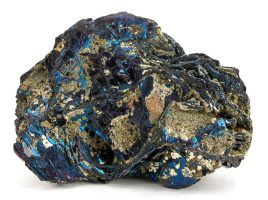
Cobalt
Cobalt is a transition metal with the chemical symbol Co and atomic number 27. It is a hard, lustrous, silver-grey element found naturally in the Earth’s crust, usually...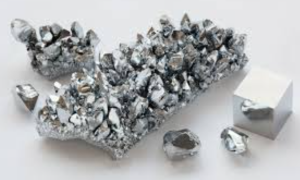
Chromium
Chromium is a transition metal with the chemical symbol Cr and atomic number 24. Known for its brilliant metallic sheen and resistance to corrosion, it is a vital...
Caesium
Caesium (chemical symbol Cs, atomic number 55) is a soft, silvery-golden alkali metal notable for being one of the most electropositive and alkaline elements. With a melting point...