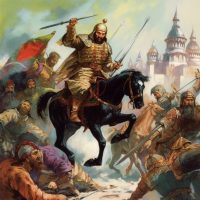
After establishing himself as the emperor of Delhi following the Battle of Khanwa, Babur faced relatively little opposition from the Rajputs. However, he still had one major challenge...
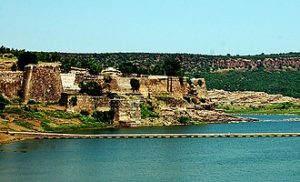
The Battle of Gagron (1519) was a significant conflict fought between Rana Sanga (Rana Sangram Singh) of Mewar and Mahmud Khilji II, the Sultan of Malwa. It took...
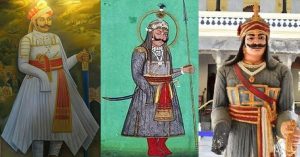
Rana Sanga, also known as Maharana Sangram Singh I (reigned 1508–1528 CE), was one of the most powerful Rajput rulers of north-western India and the ruler of Mewar...
The First Battle of Panipat, fought on 20 April 1526, marked one of the most decisive conflicts in Indian history. It was the battle that established Mughal rule...
The early invasions of Babur in India represent a crucial prelude to the establishment of the Mughal Empire in the Indian subcontinent. Between 1519 and 1526, Babur, a...
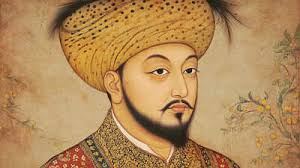
Babur (1483–1530), born Zahir-ud-din Muhammad Babur, was the founder of the Mughal Empire in India and a descendant of two of Asia’s greatest conquerors — Timur (Tamerlane) on...
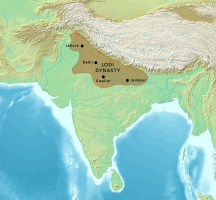
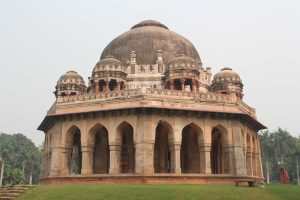
The Lodi Dynasty (1451–1526 CE) was the last ruling dynasty of the Delhi Sultanate and the first Afghan (Pashtun) dynasty to rule India. It marked the final phase...
The Sayyid Dynasty was the fourth ruling house of the Delhi Sultanate, reigning from 1414 to 1451 CE. It emerged during a period of political fragmentation following the...
The Invasion of Timur in 1398 CE was one of the most devastating foreign incursions in the history of medieval India. Led by Amir Timur, the ruler of...
When ascended to the throne of Delhi, Firoz Shah Tughlaq (reign. 1351-1388 AD), was a man of 45 years. His mother was a Hindu princess of Dipalpur, who...
Muhammad Bin Tughlaq 1325-1351 Muhammad Bin Tughlaq is known as a “Man of Ideas” and can be said one of the most striking sultan of medieval India. He...