Strobe Talbott, Key Figure in India-US Talks, Dies at 80
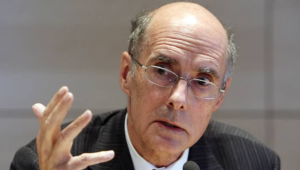
Strobe Talbott, a former US Deputy Secretary of State who helped lead post-Pokhran talks with India, died on Thursday, 26 November 2026, aged 80. He died after a long illness at his home in East Hampton, New York. His son, Devin Talbott, confirmed his death.
Diplomacy and public service
Talbott served as Deputy Secretary of State under US President Bill Clinton from 1994 to 2001. After India’s 1998 nuclear tests, he led 14 rounds of India-US strategic dialogue with External Affairs Minister Jaswant Singh between 1998 and 2000. The negotiations spanned seven countries and helped rebuild bilateral ties, paving the way for later civilian nuclear cooperation.
Before entering government, Talbott spent 21 years as a journalist at Time, focusing on Soviet-American relations. He was president of the Brookings Institution from 2002 to 2017. Clinton described him as a “good and brilliant man who made our world more peaceful and secure”.
Important Facts for Exams
- Civil–military separation: Under the 2005 framework, India agreed to separate its civilian and military nuclear facilities and place all civilian facilities under IAEA safeguards.
- Sensitive technology limits: The final deal permits broad civilian nuclear cooperation but excludes transfers of sensitive enrichment and reprocessing equipment and technologies.
- Approval stages: The agreement required changes to US domestic law, an Indian separation plan, an India-specific IAEA safeguards agreement and an NSG exemption.
| Related | |
|---|---|