South Central Railway upgrades Kavach to Version 4.0
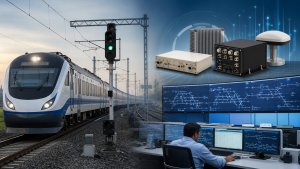
Indian Railways commissioned KAVACH Version 4.0 on 23 September 2026 on the South Central Railway. The upgrade was completed on the 108 route kilometre Malkajgiri-Kamareddi section in the Hyderabad Division, and it became the first deployment of KAVACH 4.0 on the South Central Railway zone.
KAVACH as an Automatic Train Protection System
KAVACH is an indigenously developed Automatic Train Protection system used in Indian Railways. It is designed to prevent Signal Passing at Danger, regulate train speed in critical situations, and reduce the risk of collisions. The system also supports safer train operations during adverse weather conditions.
Technical Features of Version 4.0
KAVACH 4.0 includes improved location accuracy for train positioning. It also provides better transmission of signal aspect information in larger railway yards. The system enables station-to-station communication through Optical Fibre Cable and offers a direct interface with existing electronic interlocking systems.
Deployment on South Central Railway
The Version 4.0 upgrade follows the use of KAVACH 3.2 across 1,465 route kilometres on South Central Railway. The Hyderabad Division section between Malkajgiri and Kamareddi is part of the railway network under the South Central Railway zone. KAVACH deployment is linked with railway signalling infrastructure and train control systems.
Important Facts for Exams
- KAVACH is India’s indigenous Train Collision Avoidance System and falls under Automatic Train Protection technology.
- Signal Passing at Danger, or SPAD, refers to a train passing a signal that is at stop.
- Electronic interlocking is a railway signalling system used to control points and signals safely.
- Optical Fibre Cable is used in railway communication networks for data transmission between stations.
Railway Safety Context
Indian Railways uses KAVACH as part of its safety and signalling modernisation programme. The system is relevant for exam topics on railway technology, train protection systems, and indigenous transport innovations.
| Related | |
|---|---|