Major Global Disputes over Repatriation of Cultural Artefacts
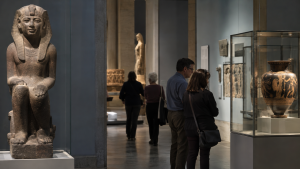
Cultural artefact repatriation concerns the return of objects removed through conquest, colonial rule, conflict or illicit trade. Disputes involve questions of ownership, cultural identity, ethical responsibility and international law, often requiring negotiation between states, communities and holding institutions.
International Legal Frameworks
International instruments provide standards for protecting cultural property and addressing its return. Their scope differs: some apply to wartime removal or illicit transfers, while others recognise Indigenous peoples’ rights to cultural heritage.
- Hague Convention (1954): The Convention for the Protection of Cultural Property in the Event of Armed Conflict, adopted under UNESCO auspices, protects cultural property during armed conflict. It prohibits the export of cultural property from occupied territory and calls for its return when hostilities cease.
- UNESCO Convention (1970): The Convention on the Means of Prohibiting and Preventing the Illicit Import, Export and Transfer of Ownership of Cultural Property requires participating states to act against illicit imports and exports and provides for cooperation in recovering stolen cultural property.
- UNIDROIT Convention (1995): The Convention on Stolen or Illegally Exported Cultural Objects complements the 1970 UNESCO Convention. It establishes private international law rules for restitution of stolen objects and the return of illegally exported objects.
- UNDRIP (2007): Article 11 of the United Nations Declaration on the Rights of Indigenous Peoples recognises Indigenous peoples’ right to restitution of cultural, intellectual, religious and spiritual property taken without their free, prior and informed consent.
Major Repatriation Disputes
The cases below illustrate the different histories and legal arguments involved. They include objects removed during colonial rule, military expeditions and periods of foreign control.
- Parthenon Sculptures: Also called the Elgin Marbles, these sculptures were removed from the Parthenon in Athens by Lord Elgin in the early 19th century, when Greece was under Ottoman rule. They are held by the British Museum. Greece says they are an integral part of its heritage and seeks their return; the museum maintains that Elgin acquired them legally.
- Benin Bronzes: These plaques and sculptures were looted by British forces during the 1897 punitive expedition against the Kingdom of Benin, in present-day Nigeria. They are held in museums including the British Museum, Berlin’s Ethnological Museum and the Metropolitan Museum of Art. Nigeria has sought their return, and significant repatriations have taken place from Germany, the United States and elsewhere.
- Koh-i-Noor: The 105.6-carat diamond forms part of the British Crown Jewels. India, Pakistan, Afghanistan and Iran have claimed it, arguing that it was taken under duress during colonial times. The UK government maintains that it was acquired legitimately under the 1849 Treaty of Lahore.
- Rosetta Stone: This ancient Egyptian stele, held by the British Museum, was crucial to the decipherment of hieroglyphs. Egypt has formally requested its return, describing it as a symbol of Egyptian identity. The museum’s position is that it was ceded to Britain after the French defeat in Egypt in 1801.
- Maqdala artefacts: British forces took crowns, manuscripts and jewellery from Emperor Tewodros II’s fortress at Maqdala, Ethiopia, in 1868. Items are held by institutions including the British Museum, British Library and Victoria and Albert Museum. Ethiopia has sought their return, and some institutions have begun returning artefacts.
- Obelisk of Axum: Fascist Italy took this 1,700-year-old granite obelisk from Ethiopia in 1937. Following decades of negotiations, Italy completed its repatriation to Ethiopia in 2008.
Arguments in the Repatriation Debate
The debate brings together claims of historical justice and cultural rights with concerns about preservation, access and legal ownership. Positions can vary between individual objects and institutions.
- Historical injustice: Claimants argue that objects acquired through conquest, illicit trade or periods of vulnerability should be returned to address past wrongs.
- Identity and context: Artefacts can hold national, community or spiritual significance. Returning them may reconnect communities with their heritage and restore the historical context needed to understand their meaning.
- Museums and public access: Holding institutions may argue that “universal museums” make artefacts accessible across national boundaries and preserve them for a broad public.
- Conservation and security: Some institutions cite their conservation expertise and resources, or raise concerns about security and environmental conditions at potential receiving institutions.
- Ownership and precedent: Institutions may rely on laws or agreements in force at the time of acquisition. They may also fear that returns could prompt further claims, while claimants argue that historical legality does not settle present ethical questions.
Resolution and Current Trends
Diplomatic negotiations are the most common route for addressing disputes, alongside legal processes and mediation. Outcomes depend on the circumstances of each claim, including the history of acquisition, applicable law and the positions of claimant communities and holding institutions.
- Bilateral negotiations: Claimant states or communities may negotiate directly with holding governments and institutions over ownership and return.
- UNESCO mechanism: UNESCO’s Intergovernmental Committee for Promoting the Return of Cultural Property to its Countries of Origin or its Restitution in case of Illicit Appropriation (ICPRCP) facilitates discussions and cooperation.
- Voluntary returns: Institutions have returned objects following ethical reviews, public pressure or new research into their provenance.
- Loans and partnerships: Long-term loans and joint exhibitions are sometimes proposed as alternatives to permanent transfer. Claimants seeking full ownership may reject arrangements that do not resolve the underlying question of ownership.
Key Prelims Takeaways
- 1954 Hague Convention: Protects cultural property during armed conflict.
- 1970 UNESCO Convention: Addresses illicit import, export and transfer of cultural property.
- 1995 UNIDROIT Convention: Covers restitution of stolen and return of illegally exported cultural objects.
- UNDRIP Article 11: Recognises Indigenous peoples’ right to restitution of specified cultural property taken without free, prior and informed consent.
- Key disputes: Greece seeks the Parthenon Sculptures; Nigeria seeks Benin Bronzes; and Ethiopia has received the Obelisk of Axum from Italy.
- ICPRCP: UNESCO committee that promotes the return or restitution of cultural property.
Recent Context
The Old Acropolis Museum in Athens reopened to the public on November 23, 2026, after 19 years closed and a seven-year restoration costing €6.2 million (USD 6.8 million). At the reopening, Prime Minister Kyriakos Mitsotakis reiterated Greece’s demand for the Parthenon Sculptures, rejecting a loan or any arrangement recognising foreign ownership.
| Related | |
|---|---|