Antarctic Sea Ice Reaches Third-Lowest Winter Maximum
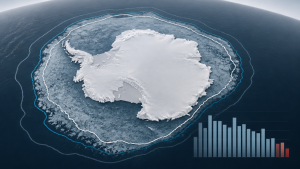
Antarctic sea ice reached an annual maximum extent of 17.59 million square kilometres on 14 September 2026, the third-lowest maximum in the satellite record. Scientists from NASA and the National Snow and Ice Data Center (NSIDC) confirmed the measurement. The 2026 maximum was about one million square kilometres below the long-term average maximum.
Sea-Ice Extent and Seasonal Cycle
Sea ice is frozen ocean water, unlike the Antarctic ice sheet, which is formed from accumulated snow on land. Antarctic sea ice forms and expands during the Southern Hemisphere autumn and winter, then melts during spring and summer. Its annual maximum generally occurs in September, while its annual minimum usually occurs in February. Sea-ice extent is calculated by adding the area of ocean grid cells that meet a specified sea-ice concentration threshold. The NSIDC uses a threshold of at least 15 per cent sea-ice concentration for this calculation. Satellite observations have provided a continuous record of polar sea ice since 1979.
Antarctic Sea-Ice Trends
Between 1979 and 2014, Antarctic sea ice increased by about 1 per cent per decade. Record-high winter maximum extents occurred from 2012 to 2014. Significant declines began in 2016, and coverage has largely remained below normal since then. The 2023 winter maximum was the lowest in the satellite record, at 16.96 million square kilometres on 10 September. The 2026 maximum ranked third-lowest. The four lowest Antarctic winter maxima on record have all occurred within the most recent four-year period.
Important Facts for Exams
- The Southern Ocean surrounds Antarctica and is the ocean where Antarctic sea ice forms.
- Sea ice consists of frozen seawater, whereas ice sheets rest on land.
- Antarctic winter occurs during the Northern Hemisphere summer.
- The satellite record used to monitor polar sea ice began in 1979.
The 2026 Antarctic sea-ice maximum was measured at 17.59 million square kilometres on 14 September. The record-low maximum remains the 16.96 million square kilometres measured on 10 September 2023.</final
| Related | |
|---|---|