Scientists Map Gene Activity in Prefrontal Cortex
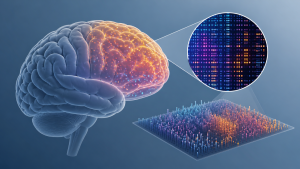
A new human brain-cell atlas mapped gene activity in the dorsolateral prefrontal cortex across the human lifespan. The study analysed nuclei from more than 6.3 million brain cells taken from 1,494 deceased donors aged from infancy to 108 years and included donors with and without diagnosed brain conditions.
Dorsolateral Prefrontal Cortex
The dorsolateral prefrontal cortex is a region of the frontal lobe in the human brain. It is associated with executive functions such as working memory, planning, decision-making, and cognitive control. The region develops through childhood and adolescence and reaches mature cellular organisation in adulthood.
Human Brain-Cell Atlas
The atlas was published in Nature on 23 September 2026 with eight companion studies. It examined gene activity in brain-cell nuclei from donors representing diverse genetic ancestries. The dataset included individuals with Alzheimer’s disease, Parkinson’s disease, Lewy body dementia, vascular dementia, schizophrenia, and bipolar disorder.
Transcriptomic Acts and Lifespan Pattern
The study identified three transcriptomic acts in the prefrontal cortex. The first stage covered major gene-expression changes before adulthood, the second stage showed relative stability in early and middle adulthood, and the third stage showed renewed changes in later life, especially in glial support cells and immune cells. The maturation of the prefrontal cortex was found to be largely complete around age 24.
Important Facts for Exams
- The prefrontal cortex is part of the frontal lobe of the cerebrum.
- Glial cells include astrocytes, oligodendrocytes, and microglia.
- Lewy body dementia is associated with abnormal alpha-synuclein protein deposits in the brain.
- PsychAD is a research consortium linked to brain ageing and psychiatric disorders.
Research Consortium and Public Data
The project was conducted through the PsychAD research consortium with support from the National Institute on Aging, which is part of the United States National Institutes of Health. All data and methods from the studies were made publicly available for research on brain ageing, neurodegeneration, and psychiatric disorders.
| Related | |
|---|---|