New Zealand Kākāpō Population Reaches 325 Birds
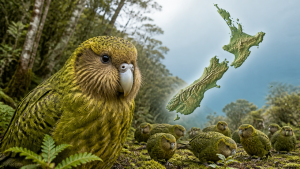
The kākāpō, a flightless nocturnal parrot endemic to New Zealand, reached 325 birds after 90 fledged chicks were added to the population tally on 1 September 2026. The species is the world’s heaviest parrot and had crossed 300 birds for the first time in about 75 years by 31 August 2026.
Kākāpō: Species Profile
The kākāpō is scientifically known as Strigops habroptilus and belongs to the parrot family Psittacidae. It is a ground-dwelling, herbivorous bird that cannot fly and is active mainly at night.
Kākāpō Recovery Programme
The Kākāpō Recovery Programme was launched in 1995 by the New Zealand Department of Conservation when only 51 kākāpō survived, including 20 females. The programme uses intensive monitoring, predator control, supplementary feeding, and managed breeding to support population growth.
Breeding Season and Fledging
In the 2026 breeding season, 79 female kākāpō nested, 258 eggs were laid, 106 chicks hatched, and 90 chicks survived to 150 days of age. The 150-day mark is used as the milestone for fledging and independence in kākāpō population counts.
Important Facts for Exams
- The kākāpō is the world’s heaviest parrot species.
- The species is endemic to New Zealand and is flightless.
- Whenua Hou is also known as Codfish Island and is a key kākāpō habitat.
- Rimu trees are native to New Zealand and their mass fruiting is called masting.
Conservation Habitat and Breeding Factors
The 2026 breeding season was linked to abundant masting of native rimu trees on predator-free offshore islands, including Whenua Hou and islands in Fiordland. Reduced-management methods were also trialled, including remote nest data use and lower supplementary feeding.
Population Recovery Context
The kākāpō population had fallen to 51 birds in 1995, which made it one of the most threatened bird species in the world. The 2026 total of 325 birds is a modern recovery-era high for the species.
| Related | |
|---|---|