International Organisations and Peace Efforts in Libya
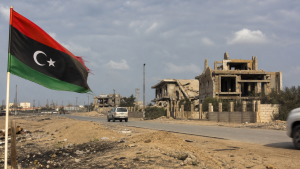
Libya’s peace process has been shaped by fragmented political authority, armed conflict and competing regional interests since 2011. The United Nations and other international organisations have supported mediation, political dialogue, humanitarian assistance and efforts to preserve Libya’s unity and sovereignty.
Conflict and Fragmented Governance
After the 2011 uprising, Libya experienced prolonged conflict and the emergence of rival political authorities. The internationally recognised Government of National Accord (GNA), based in Tripoli, faced an eastern-based House of Representatives (HoR), supported by the Libyan National Army (LNA). Internal divisions and the involvement of external actors complicated efforts to establish stable, unified governance. The United Nations Support Mission in Libya (UNSMIL) was established to assist the country’s transition and facilitate a political solution. Its work has taken place amid humanitarian challenges and continuing disagreements over political authority, state institutions and the country’s future direction. A lasting settlement requires dialogue among Libyan factions as well as cooperation among outside actors.
International Organisations and Initiatives
International engagement has combined mediation, political support, humanitarian assistance and security measures. The organisations involved have different mandates and approaches, but their initiatives have generally centred on a negotiated settlement and a unified Libyan state.
- United Nations: UNSMIL facilitates political dialogue, supports institution-building and assists humanitarian efforts. Special Envoys of the UN Secretary-General have led mediation. The UN Security Council (UNSC) has endorsed political agreements and established frameworks for the peace process.
- European Union: The EU has supported the political process, provided humanitarian aid and addressed regional security concerns. Its Common Security and Defence Policy operation, Operation Irini, was launched to enforce the UN arms embargo on Libya.
- African Union: The AU has advocated African-led solutions, national reconciliation, inclusive dialogue and a unified state.
- Arab League: The League has supported a political resolution and Libya’s sovereignty and territorial integrity, while urging an end to foreign interference.
- Individual states: Turkey, Egypt, the United Arab Emirates and Greece have significant geopolitical and economic interests in Libya. Their involvement, including support for different factions and interest in resources, has affected conflict dynamics and peace efforts.
Political Agreements and Dialogue
Several initiatives have sought to create a political framework for transition and reconciliation. Their implementation has depended on cooperation among Libyan factions and support for a UN-led process.
- Skhirat Agreement (2015): Brokered by the UN and signed in Morocco, the Libyan Political Agreement sought to establish the GNA. The UNSC unanimously endorsed the agreement and recognised the GNA as Libya’s sole legitimate executive authority.
- Article 8: The agreement’s Article 8 requires unanimous cabinet consent for Libya’s prime minister to make international agreements. This provision has been invoked in objections to the procedure used for the 2019 Turkey–GNA maritime treaty.
- Berlin conferences: The conferences brought world powers and regional actors together to coordinate support for the UN-led process. The first, held in 2020, sought non-interference, enforcement of the arms embargo and support for a permanent ceasefire.
- Libyan Political Dialogue Forum: The UN-facilitated forum brought together representatives of Libyan factions to establish a unified transitional executive authority and prepare for national elections. It set out a roadmap for a new government and an electoral timetable.
Maritime Agreement and Regional Tensions
In November 2019, Turkey and Libya’s internationally recognised GNA signed a maritime boundary agreement. The treaty aimed to establish a Mediterranean exclusive economic zone (EEZ), enabling claims to seabed resources. Its delineation runs between Crete and Cyprus and has been a point of regional dispute.
- Objections: Greece, Egypt, Bahrain, the United Arab Emirates, Cyprus and the EU have condemned the agreement, citing international law and regional security concerns.
- Greek position: On October 29, 2026, Greek Prime Minister Kyriakos Mitsotakis called the agreement “blatantly illegal, null and void”. He argued that it disregards Greek islands and the geography of the Eastern Mediterranean.
- Turkish position: President Recep Tayyip Erdogan rejected the criticism, stating that Turkey was protecting its maritime rights and interests.
- Libyan procedure: Objections have also invoked Article 8 of the Skhirat Agreement, which requires unanimous cabinet consent for the prime minister to make international agreements.
- Regional implications: The dispute links maritime claims and resource access with questions of international law, Libyan political legitimacy and relations among Mediterranean states.
Peacebuilding Priorities
International mediation can help establish dialogue and common political frameworks, but durable peace also depends on Libyan institutions and sustained regional cooperation. The competing claims to authority illustrate why agreements need broad domestic acceptance and effective implementation.
- Inclusive dialogue: Bringing rival factions into political negotiations is essential to reduce fragmentation and support a unified state.
- Institution-building: Strengthening shared political institutions is central to transition and to implementing agreements reached through dialogue.
- Regional cooperation: External actors’ interests can complicate mediation. Coordinated support for the UN-led process and respect for Libya’s sovereignty are important to limiting interference.
- Peacebuilding capacity: Ceasefire efforts and political agreements require sustained support, humanitarian assistance and institutions capable of carrying out their responsibilities.
Key Prelims Takeaways
- UNSMIL is the UN mission supporting mediation and a political solution in Libya.
- The 2015 Skhirat Agreement established the framework for the GNA; the UNSC endorsed it and recognised the GNA as the sole legitimate executive authority.
- Article 8 of the Skhirat Agreement requires unanimous cabinet consent for the prime minister to make international agreements.
- EU Operation Irini was launched to enforce the UN arms embargo on Libya.
- The UN-facilitated Libyan Political Dialogue Forum set out a roadmap for a transitional executive authority and national elections.
- The 2019 Turkey–GNA maritime agreement aimed to establish a Mediterranean EEZ and drew objections from several regional actors and the EU.
Recent Context
On October 20, 2026, Libya’s eastern-based HoR unanimously approved the Turkey–Libya maritime agreement, reversing its earlier opposition and its 2020 resolutions rejecting the deal and suspending political relations with Ankara. The vote followed Al-Salhin Abdelnabi al-Obeidi’s appointment as speaker on October 6, replacing Aguila Saleh; both rival Libyan governments now back the agreement.
| Related | |
|---|---|