India Targets 604 Million Tonnes of Steel Capacity by 2047
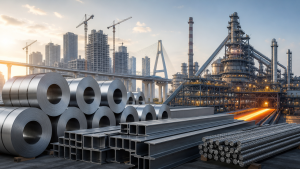
The Ministry of Steel has released a draft National Steel Policy Vision 2047, which proposes raising India’s crude steel capacity to 604 million tonnes per year by 2047. India’s installed steel capacity was approximately 220–222 million tonnes per year in October 2026.
Capacity and Consumption Targets
The draft projects finished steel consumption of 505 million tonnes and per-capita steel consumption of 302 kg by 2047. In 2025–26, finished steel consumption was 164 million tonnes and per-capita consumption was 116 kg. The draft also sets a crude steel capacity target of 294 million tonnes by 2030, compared with 300 million tonnes by 2030–31 under the National Steel Policy 2017. Crude steel is the primary product obtained from steelmaking, while finished steel includes products processed for use in construction, infrastructure, machinery and manufacturing. Capacity refers to the maximum amount that production facilities can produce over a specified period.
Emissions and Steelmaking
The draft aims to reduce average carbon-emission intensity in steel production from 2.54 tonnes of carbon dioxide per tonne of crude steel to 1.54 tonnes by 2047. Carbon-emission intensity measures emissions generated per unit of output. India’s national target is to achieve net-zero emissions by 2070. Ironmaking and steelmaking can use routes such as the blast furnace–basic oxygen furnace process and electric arc furnaces. The choice of process and the energy source used affect emissions per tonne of steel.
Raw Materials and Policy Measures
The 604-million-tonne capacity target is associated with projected annual iron ore requirements of 772 million tonnes and coking coal demand of 236 million tonnes. The draft proposes promoting domestic mining, acquiring overseas assets, expanding coal washeries and optimising coal blends. India imports about 92% of its coking coal. The policy also proposes safeguard and anti-dumping duties to address low-cost and inferior steel imports. Other stated areas include technology indigenisation, research, workplace safety and workforce development.
Important Facts for Exams
- Iron ore is a principal raw material used to produce iron, which is then converted into steel.
- Coking coal is processed into coke, which serves as a fuel and reducing agent in blast furnaces.
- A safeguard duty is a trade measure used to restrict imports that cause or threaten serious injury to a domestic industry.
- India’s stated net-zero emissions target year is 2070.
The draft National Steel Policy Vision 2047 proposes a 604-million-tonne annual crude steel capacity target. It is intended to replace the National Steel Policy 2017.
| Related | |
|---|---|