Young Egyptian Vulture at Nemam: Sighting Unconfirmed
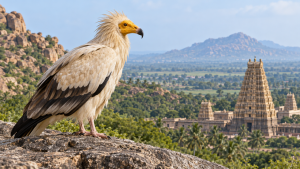
Available recent information does not directly confirm a young Egyptian vulture sighting at Nemam grasslands in Chennai. Conservationists have, however, reported a sharp decline in the species’ resident breeding population across southern India.
Status in southern India
As of 26 October 2026, no active Egyptian vulture breeding site had been confirmed in Tamil Nadu, and the species was considered locally extinct in the Nilgiris. Fewer than 150 resident birds were estimated to remain across Tamil Nadu and Karnataka combined. Wintering migrants continued to be recorded in Chennai, Tirunelveli and Koonthankulam Bird Sanctuary, according to information published on 8 July 2026. Juvenile Egyptian vultures had also been documented in several South Tamil Nadu districts over the preceding decade, with sightings prompting calls for further study. The International Union for Conservation of Nature lists the species as Endangered.
Threats and conservation
Reported threats include toxic veterinary NSAIDs, rodenticide poisoning, power-line collisions and electrocution, quarrying, disturbance of cliffs and the loss of safe carcasses. Conservationists have called for coordinated action, including an Egyptian Vulture Conservation Breeding Programme in Tamil Nadu.
Important Facts for Exams
- Indian subspecies: The Indian-subcontinent subspecies, Neophron percnopterus ginginianus, is the smallest and has a pale yellow bill.
- Facial colour: Egyptian vultures regularly eat faeces; carotenoids absorbed from ingested plant matter help give their facial skin its bright yellow colour.
- Migration pattern: Temperate-region Egyptian vultures migrate south for winter, whereas tropical populations are comparatively sedentary.
| Related | |
|---|---|