Indravati Tiger Reserve Opens for Organised Wildlife Tourism
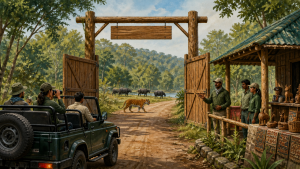
On 1 November 2026, Chhattisgarh opened Indravati Tiger Reserve in Bijapur district, Bastar, to organised wildlife tourism for the first time in four decades. Covering about 2,800 sq km, it was established under Project Tiger in 1983 and is India’s fourth-largest tiger reserve by area.
Safari plan and local participation
A 33-km safari route has been identified in the buffer area, with a nine-km stretch from Ullur village to Dandaparti prepared for visitors. Four Gypsy vehicles will operate initially; the fleet and routes may expand according to tourist response and visitor numbers. The starting fee is ₹2,000 per vehicle per day. Six local youths have been trained as guides and drivers. The wider eco-tourism initiative also promotes homestays, handicrafts, local products, Bastar art and indigenous cuisine.
Tiger numbers remain provisional
State-level figures put the reserve’s tiger population at six, but the All India Tiger Estimation is under way. Officials said the final figure will follow the survey and scientific compilation of data. The reserve is also home to leopards, wild buffaloes, gaur and chital; the wild buffalo is Chhattisgarh’s state animal.
Important Facts for Exams
- Forest composition: Indravati National Park is mainly tropical moist and dry deciduous forest, with bamboo, Sarai and teak predominating.
- Grassland forage: Patches of grassland in Indravati provide food for large herbivores, including wild water buffaloes, chital and gaurs.
- Wild buffalo refuge: Indravati is home to one of the last remaining populations of wild water buffalo, a distinctive conservation feature of the reserve.
| Related | |
|---|---|