Cabinet Approves ₹14,500-Crore Energy Storage VGF Scheme
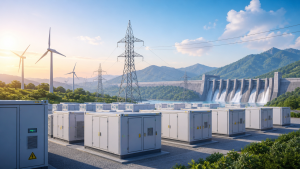
The Union Cabinet, chaired by Prime Minister Narendra Modi, approved a ₹14,500-crore Viability Gap Funding (VGF) scheme on 4 November 2026. It will support new grid-scale energy storage projects across India from FY 2026–27 to FY 2030–31.
Capacity, funding and eligibility
The scheme targets 92 GWh of fresh, yet-to-be-commissioned capacity: 60 GWh from hydro pumped storage plants (PSPs), 30 GWh from battery energy storage systems (BESS) and 2 GWh from alternative storage technologies. The projects are estimated to require ₹97,600 crore in total investment.
Capacity will be allocated through tariff-based competitive bidding. Public and private sector electricity distribution companies are eligible for VGF support for BESS and hydro PSP projects; public and private entities may implement projects using alternative technologies. BESS projects must meet a minimum 40% Domestic Content Requirement (DCR).
Energy and manufacturing objectives
The government says the funding is intended to improve project viability, speed up deployment, promote domestic BESS manufacturing and support renewable-energy integration for reliable, affordable 24×7 power. The scheme contributes to India’s stated goal of 411 GWh of grid-scale storage by 2031–32, alongside its target of 500 GW of renewable-energy capacity by 2030.
Important Facts for Exams
- Pumped-hydro cycle: Pumped-storage plants store energy by lifting water to an upper reservoir, then generate electricity by releasing it through a turbine when demand rises.
- Pumped-hydro types: Closed-loop pumped storage has no natural reservoir inflows; pump-back plants combine pumped storage with conventional hydro and partial natural inflows.
- Rapid battery response: Grid batteries can move from standby to full power in under a second, helping stabilise grids and respond to contingencies.
- Battery-grid conversion: Battery systems store or emit electricity as direct current, while power networks usually use alternating current, so inverters connect them to the grid.
| Related | |
|---|---|