Upper Palaeolithic Sites: Renigunta, Billa Surgam, Patne, Bhimbetka, Son Valley, Belan Valley, Visadi, Pushkar and Gunjan Valley
The Upper Palaeolithic period in India spans from approximately 40,000 to 10,000 years ago. This era represents the final phase of the Pleistocene epoch. Technological advancements during this time focused on the production of long, thin, parallel-sided blades and a transition toward smaller, specialized tool kits.
Key Archaeological Sites
Renigunta
Located in Andhra Pradesh, this site is famous for its dense blade-based industries. The assemblages here demonstrate a high level of standardization in tool production. Researchers have recovered numerous backed blades, burins, and scrapers, confirming the site as a major center for lithic production in southern India.
Billa Surgam
Situated in the Kurnool district of Andhra Pradesh, Billa Surgam consists of a series of limestone caves. These caves provided exceptional preservation conditions for animal fossils and human tools. Excavations yielded bone implements, including harpoons and needles, alongside stone blades, providing rare evidence of organic tool usage in the Indian prehistoric record.
Patne
Found in the Jalgaon district of Maharashtra, Patne is a landmark site for the study of the Upper Palaeolithic. It is particularly recognized for the discovery of ostrich eggshell beads. These artifacts suggest that early humans utilized exotic materials for personal ornamentation. The site also features a stratigraphic sequence that reveals the transition from Middle to Upper Palaeolithic technologies.
Bhimbetka
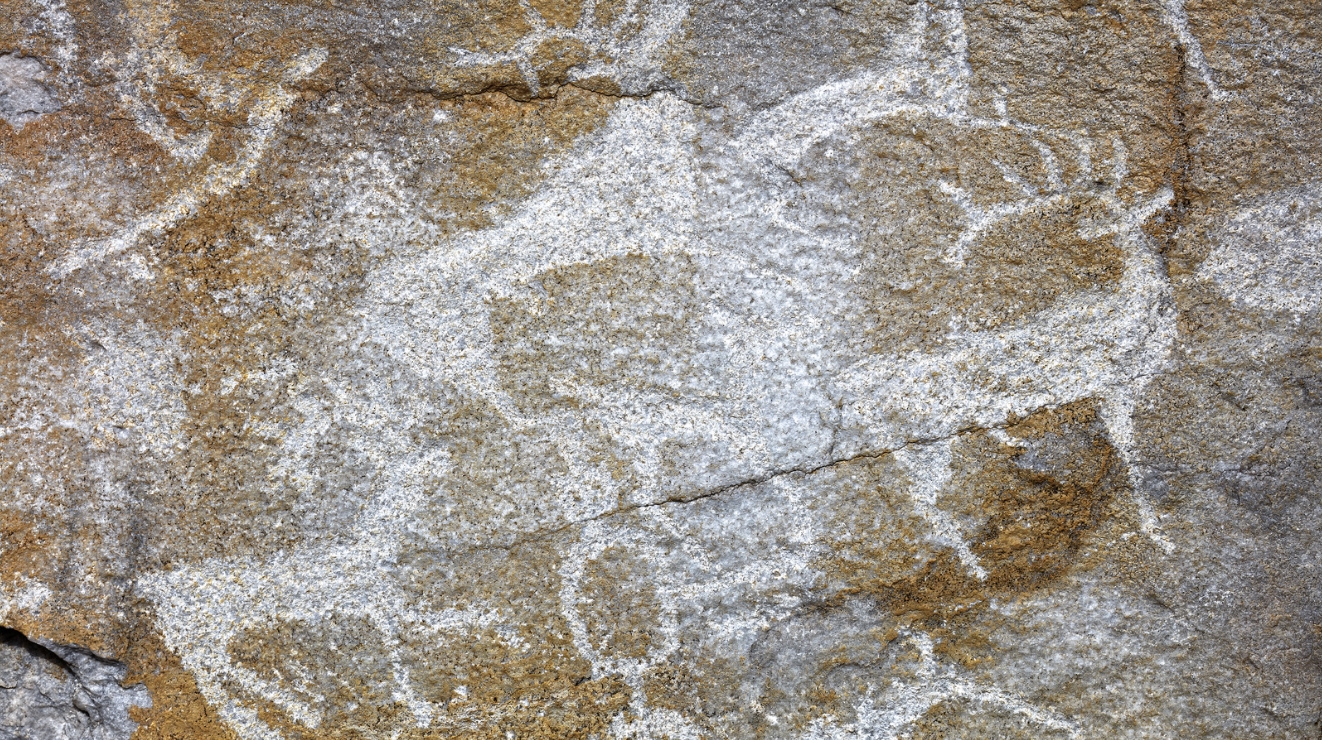
The rock shelters of Bhimbetka in Madhya Pradesh contain extensive Upper Palaeolithic deposits. Besides the stone tool assemblages, the site is globally recognized for its rock paintings. These paintings, executed in red and white pigments, provide a direct window into the symbolic and cultural life of hunter-gatherer populations during this period.
Son Valley
The Son Valley in Madhya Pradesh is characterized by stratified alluvial deposits that contain a wealth of Upper Palaeolithic artifacts. The sites here have helped refine the chronological understanding of the period. Tool kits identified in this valley include a mix of blades, burins, and backed tools, reflecting a highly developed lithic technology.
Belan Valley
Located in Uttar Pradesh, the Belan Valley offers one of the most comprehensive sequences of human occupation in India. The Upper Palaeolithic layers here have provided evidence of bone tools and a variety of stone implements. The valley is essential for understanding how early humans adapted to the changing environmental conditions at the end of the Pleistocene.
Visadi
Visadi, located in Gujarat, is a key open-air site. It has yielded a large number of blade cores and finished blades. The site indicates that Upper Palaeolithic populations occupied the arid zones of western India, utilizing diverse raw materials such as agate and jasper to create portable tool kits.
Pushkar
The Pushkar region in Rajasthan is known for its high density of Upper Palaeolithic surface sites. The area surrounding the old lake bed shows evidence of intensive tool manufacturing. The abundance of waste material and finished tools suggests that these locations were used repeatedly by mobile groups following seasonal water sources.
Gunjan Valley
The Gunjan Valley, located in the Kurnool region of Andhra Pradesh, contains several cave and open-air sites. These sites have provided critical data on the evolution of blade-based industries in the southern peninsula. The lithic collections from this valley emphasize the preference for fine-grained materials, which allowed for the production of sharp, precise edges.
Summary of Regional Features
| Site | Primary Region | Unique Feature |
| Renigunta | Andhra Pradesh | High density of blade industries |
| Billa Surgam | Andhra Pradesh | Significant bone tools and fossils |
| Patne | Maharashtra | Ostrich eggshell beads |
| Bhimbetka | Madhya Pradesh | Extensive rock art |
| Son Valley | Madhya Pradesh | Clear stratigraphic sequences |
| Belan Valley | Uttar Pradesh | Rich sequence of bone and stone tools |
| Visadi | Gujarat | Open-air blade production site |
| Pushkar | Rajasthan | High density of surface tool sites |
| Gunjan Valley | Andhra Pradesh | Diverse cave and open-air occupation |
Technological and Cultural Trends
- The transition to the Upper Palaeolithic was marked by the invention of the punch-blade technique. This method allowed for the systematic detachment of long, thin blades from prepared cores.
- These blades served as blanks for creating a variety of specialized tools, such as burins for working bone, needles for sewing, and projectile points for hunting.The use of bone and ivory became common during this time.
- These materials were shaped into pins, needles, and points, indicating a mastery over organic raw materials. The creation of beads from shells and ostrich eggshells confirms the presence of symbolic behavior and social networking among distant groups.
- The climate during this period was characterized by cycles of change that impacted human distribution. Humans became more adept at exploiting diverse niches, including riverine, hilly, and semi-arid environments.
The increase in the number of sites across the subcontinent indicates a rise in population and more complex forms of social organization compared to previous Palaeolithic phases. The period concludes with the gradual transition toward the microlithic industries of the Mesolithic, where tools became even smaller and more specialized for regional adaptation.