Upper Palaeolithic Period in India
The Upper Palaeolithic period in India spans from approximately 40,000 to 10,000 years ago. This phase coincides with the arrival of anatomically modern humans and follows the Middle Palaeolithic. It is defined by major innovations in tool technology, the emergence of symbolic art, and the use of new raw materials.
Technological Innovations
The hallmark of this period is the blade and burin industry. Humans moved away from the heavy flake-based tools of the Middle Palaeolithic to produce thin, parallel-sided blades.
Key Tool Types
- Blades: Long, thin stone flakes with parallel edges used as versatile cutting implements.
- Burins: Chisels with a sharp, straight edge used for engraving bone, antler, and ivory.
- Points: Finely crafted stone or bone tips likely used as projectile points for hunting.
- Borers: Tools used to create holes in leather or organic materials.
- Microliths: The very early stage of small, standardized stone tools began appearing toward the end of this phase.
Manufacturing Techniques
- Blade Production: The core was shaped into a cylindrical form, allowing for the consistent removal of long, thin blades.
- Pressure Flaking: The use of a specialized tool to apply pressure to the edge of a blade to create fine, sharp teeth or smooth surfaces.
- Bone and Ivory Tooling: For the first time, humans systematically used animal remains to create tools like needles, fishhooks, and harpoons.
Geographical Distribution and Major Sites
Upper Palaeolithic sites are widely distributed, reflecting a significant expansion in human population density and habitat occupation.
Important Archaeological Sites
- Belan Valley (Uttar Pradesh): Contains the most complete stratigraphic sequence of the Indian Stone Age, including rare bone tools.
- Bhimbetka (Madhya Pradesh): Features rock shelters with extensive paintings and deep deposits of Upper Palaeolithic stone tools.
- Renigunta (Andhra Pradesh): Known for a high density of blade-based tool assemblages.
- Kurnool Caves (Andhra Pradesh): Famous for yielding animal bone fossils and evidence of early hearths.
- Visadi (Gujarat): A major site revealing the transition toward blade-dominated industries.
- Muchchatla Chintamanu Gavi (Andhra Pradesh): A cave site that provided significant evidence of bone implements.
Comparison of Palaeolithic Phases
| Feature | Lower Palaeolithic | Middle Palaeolithic | Upper Palaeolithic |
| Core Technology | Large bifaces | Prepared-core flakes | Blade and burin |
| Tool Raw Material | Quartzite | Chert, Jasper | Chalcedony, Chert, Agate |
| Primary Tools | Handaxes, Cleavers | Scrapers, Points | Blades, Burins, Bone tools |
| Symbolism | Minimal | Emerging | Rock art, bone ornaments |
Symbolic Expression and Social Life
This period marks the birth of cognitive sophistication and cultural expression. Human groups moved beyond mere survival to engage in activities that required symbolic thinking.
Art and Ornamentation
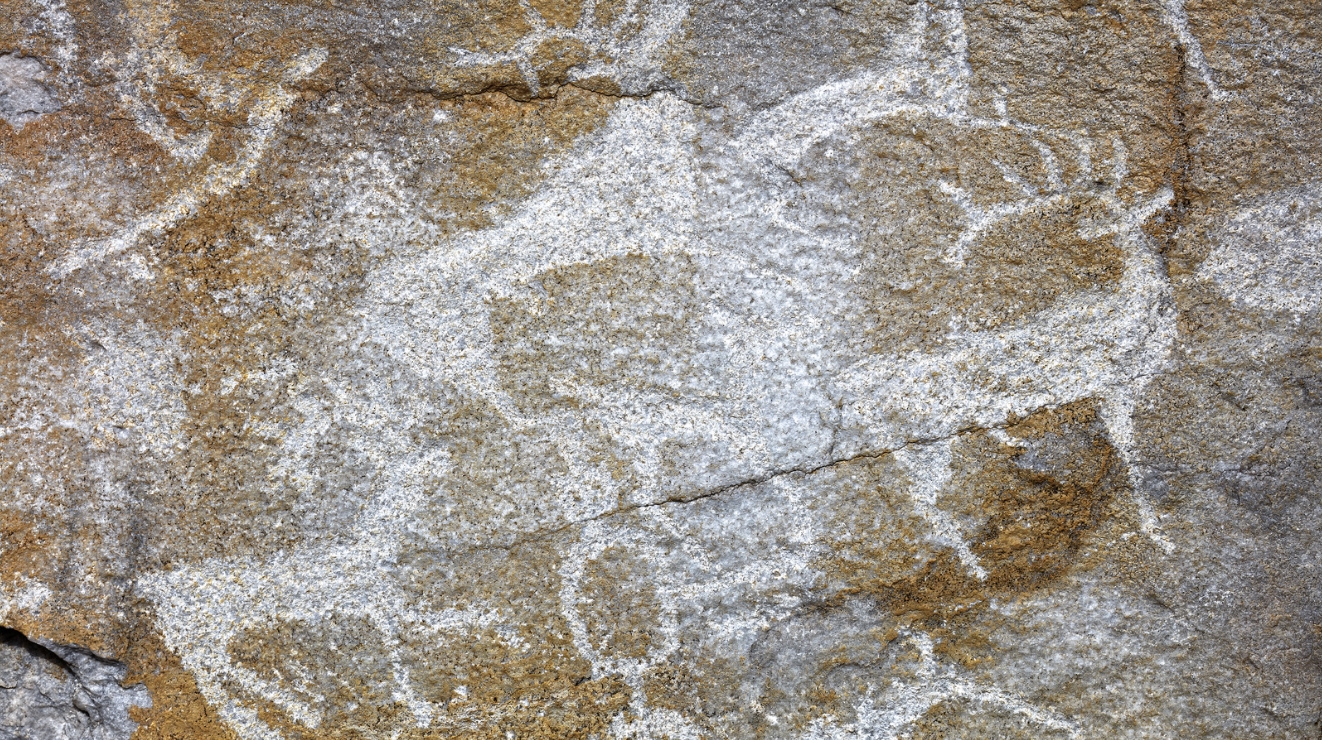
- Rock Art: The rock shelters of Bhimbetka contain paintings dating to this period, depicting animals and human figures in red and white pigments.
- Personal Adornment: Archaeologists have discovered beads made of ostrich eggshells, shells, and bone, suggesting the use of jewelry for social signaling.
- Bone Tools: The crafting of needles and fishhooks indicates a more complex understanding of garment construction and food procurement.
Subsistence and Environment
- Diet: Hunter-gatherers exploited a wider range of resources, including small game, fish, birds, and diverse plant materials.
- Environment: The climate became generally warmer and more humid during the later stages of the Pleistocene, which facilitated the expansion of human groups into new ecological zones.
- Settlement Patterns: Evidence from cave sites and open-air locations suggests that humans occupied diverse terrains, including river banks and hilly forested areas.
Evolutionary Context and Trivia
- The Upper Palaeolithic period is essential for understanding the behavioral modernity of early humans in South Asia. The production of blade tools required an advanced understanding of lithic mechanics, where a single core could yield multiple specialized tools.
- The presence of ostrich eggshell beads in various parts of the Indian peninsula is a unique fact of this period. These beads are found in sites across Rajasthan and Maharashtra, providing evidence of wide-ranging social networks and trade or exchange of exotic materials.
- Evidence of hearths in cave sites like the Kurnool Caves confirms that the control of fire was a standard practice by this time. Fire was used for warmth, cooking, and protecting group members from predators.
- The shift toward smaller, standardized tools reflects the need for lightweight, portable gear as human groups became more mobile. This period serves as the vital link between the early hunter-gatherers of the Pleistocene and the sedentary, farming-based societies of the subsequent Neolithic period.
The transition to the Mesolithic is marked by the further miniaturization of tools into microliths, continuing the trend of increased efficiency and technological specialization.