Post-Pleistocene Environmental Changes
The end of the Pleistocene epoch, approximately 10,000 BCE, marked the beginning of the Holocene epoch. This transition triggered major environmental shifts that fundamentally altered human settlement patterns, subsistence strategies, and social organization.
Climatic Transformation
The transition from the Pleistocene to the Holocene involved a dramatic rise in global temperatures. Glacial conditions retreated, leading to the stabilization of climate patterns.
Environmental Impacts
- Global sea levels rose as polar ice caps melted, which submerged coastal land bridges and changed continental coastlines.
- Increased humidity and warmth facilitated the rapid expansion of dense forests, grasslands, and wetlands in areas previously covered by ice or arid conditions.
- Shifts in precipitation patterns transformed seasonal river flows and expanded lake systems, particularly in regions like the Thar Desert and the Indo-Gangetic plains.
- Diverse plant life and animal species adapted to these changing environments, leading to the diversification of available ecological niches.
Impact on Fauna and Flora
The warmer climate caused the extinction of Pleistocene megafauna, such as the mammoth and certain species of giant sloth. These species were replaced by smaller, faster, and more adaptable animals.
Ecological Shifts
- Smaller game species, including deer, antelope, and wild boar, proliferated in the newly formed forest and grassland environments.
- Wild cereal grasses, legumes, and various tubers became abundant, providing stable sources of plant-based nutrition.
- Aquatic ecosystems expanded, supporting larger populations of fish, waterfowl, and mollusks in riverine and coastal zones.
- The changing vegetation cover dictated the movement and density of animal herds, influencing the hunting strategies of human populations.
Human Adaptation and Economic Shift
The post-Pleistocene environment forced human groups to move away from the big-game hunting typical of the Palaeolithic era. Populations responded with technological and economic innovations.
Behavioral Changes
- Humans transitioned to the Mesolithic economy, characterized by the intensive exploitation of a wide variety of small game and plant resources.
- The mastery of small-scale tool production, known as microlithic technology, allowed for greater efficiency in harvesting wild plants and processing small animals.
- Semi-sedentary settlement patterns emerged as groups identified reliable water sources and seasonal resource-rich environments.
- Early forms of food management began as humans observed the life cycles of animals and the growth patterns of wild grasses, leading to the eventual domestication of plants and animals.
Comparative Environmental Context
| Feature | Pleistocene | Holocene (Post-Pleistocene) |
| Climate | Cold, arid, glacial cycles | Warm, humid, stable |
| Sea Levels | Low | High |
| Dominant Fauna | Large megafauna | Modern species (deer, goat, cattle) |
| Human Economy | Big-game hunting | Foraging and early domestication |
| Tool Technology | Large core tools | Microliths |
Global and Regional Environmental Trends
The environmental changes were not uniform, but they shared common trends that influenced human history across continents.
Regional Examples
- In the Indian subcontinent, the drying of the Saraswati river system and the stabilization of the monsoon cycle shaped the development of early agriculture in the northwest.
- The formation of the Sahara desert from a previously green, vegetated region pushed human populations toward the Nile Valley.
- Increased forest cover in Southeast Asia favored the development of specialized gathering techniques and maritime resource exploitation.
- Coastal regions worldwide saw the rise of shell-midden sites, indicating a high reliance on marine protein as sea levels stabilized.
Technological and Social Outcomes
The environmental stability of the Holocene allowed for the accumulation of surplus resources. This surplus became the foundation for complex social structures.
- The transition to sedentary living led to the establishment of permanent villages.
- Increased interaction between groups fostered trade networks for materials like obsidian, flint, and shells.
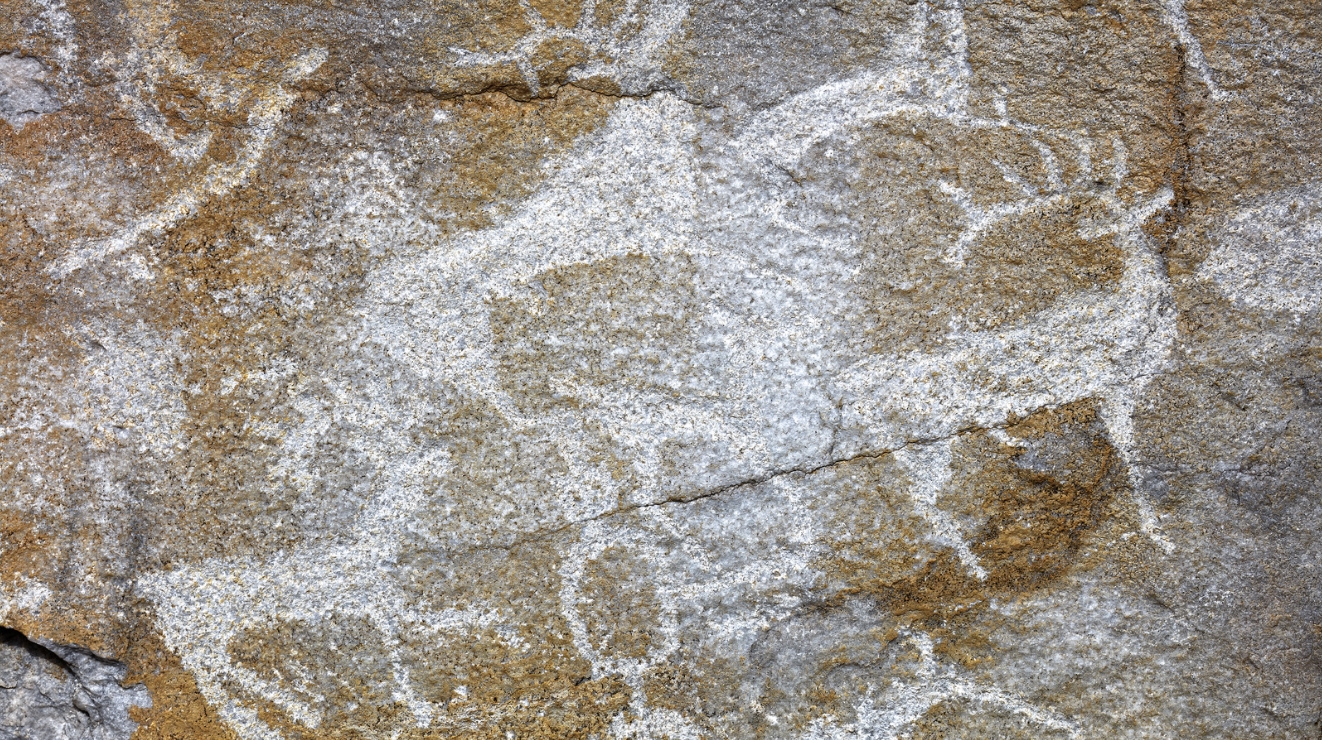
- Symbolic expression in the form of rock art and personal ornaments increased in frequency, reflecting the development of distinct group identities.
- Burial practices became more complex, indicating the emergence of concepts related to community, hierarchy, and possibly spiritual life.
- The Holocene environment provided the ecological stability required for the Neolithic Revolution. The predictability of seasonal resources allowed humans to shift from opportunistic foraging to planned agriculture.
By 6,000 BCE, this shift resulted in the establishment of early farming communities that permanently transformed the human relationship with the natural world. These groups began to actively manipulate the environment through forest clearing, soil cultivation, and the selective breeding of plants and animals.