Ethno-Archaeology and Experimental Archaeology
Ethno-archaeology involves the study of contemporary living societies to gain insights into the behavioral patterns of past cultures. Archaeologists observe how modern traditional groups manufacture tools, manage food supplies, and organize their social space. These observations create analogies that help interpret the archaeological record. The primary objective is to bridge the gap between static material remains and the dynamic human behaviors that created them. Researchers focus on the entire life cycle of an artifact, from its production to its eventual abandonment. By documenting how modern hunter-gatherers or agrarian communities use specific objects, archaeologists can form hypotheses about the function of similar tools discovered in excavations. This methodology is particularly valuable in understanding social organization, gender roles, and ritual activities where direct physical evidence is sparse.
Scope of Experimental Archaeology
Experimental archaeology involves the replication of ancient technologies under controlled conditions. The purpose is to test hypotheses regarding the feasibility, time, and skill required to produce specific artifacts or structures. By reconstructing processes, researchers gain a deeper understanding of the physical and cognitive requirements of past humans. This field covers a wide range of activities:
- Lithic reduction: Replicating stone tool manufacturing processes to understand flaking techniques.
- Metallurgy: Testing ancient smelting and casting methods to determine the temperature and fuel needs of early furnaces.
- Architecture: Constructing replicas of megalithic structures or wooden dwellings to assess labor requirements.
- Agriculture: Using primitive wooden or stone implements to measure efficiency in clearing land and harvesting crops.
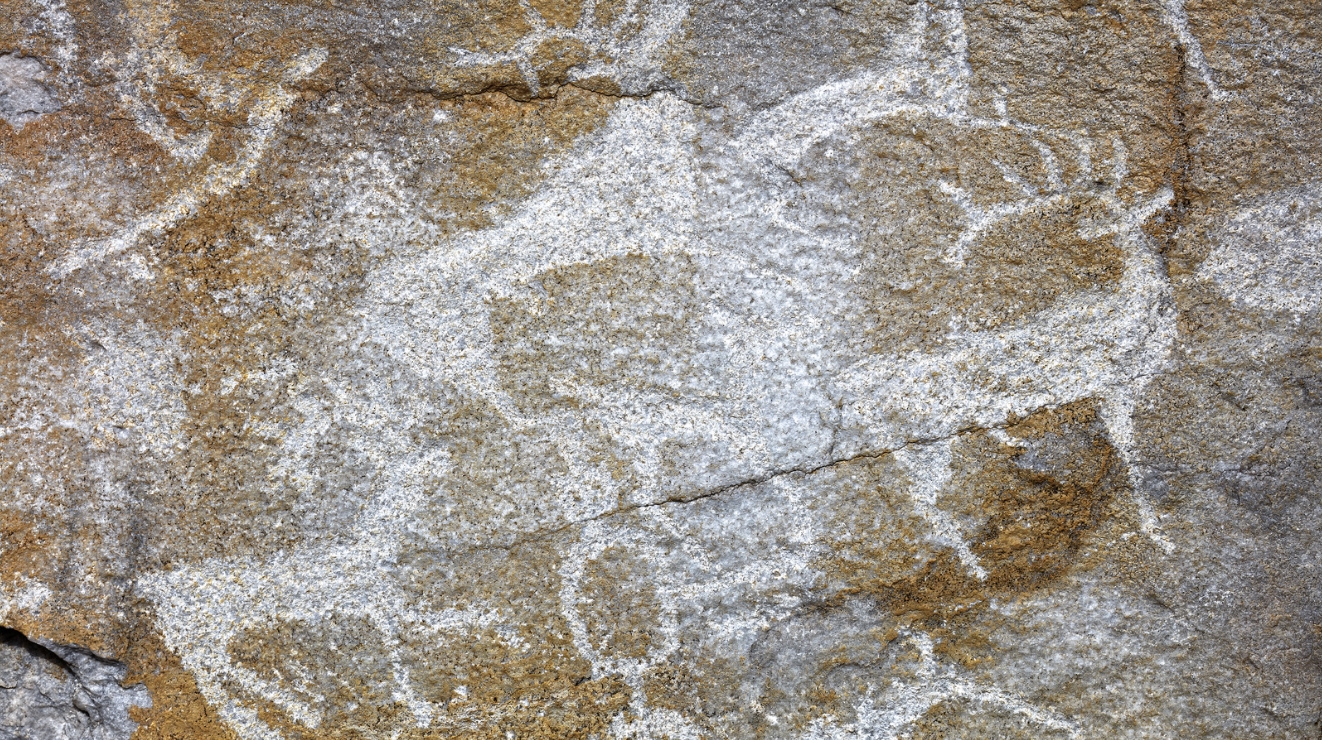
- Artistry: Reproducing prehistoric cave paintings or pottery decorations to study artistic methods and materials.
Methodological Frameworks
The integration of these two approaches forms a powerful analytical toolset. Ethno-archaeology provides the “living context” of human behavior, while experimental archaeology provides the “physical feasibility” of material production. Researchers often use the “middle-range theory” to link static archaeological data to past human dynamics. This involves identifying consistent correlations between human activity and the resulting material waste. For example, if a modern group consistently places specific types of waste in a designated area, archaeologists can apply this model to interpret the spatial distribution of debris in ancient settlements.
Key Differences and Synergy
| Feature | Ethno-archaeology | Experimental Archaeology |
| Primary Focus | Observing living social behavior. | Replicating technological processes. |
| Basis of Study | Living traditional communities. | Controlled laboratory or field conditions. |
| Goal | Building interpretive analogies. | Testing functional hypotheses. |
| Main Data Source | Ethnographic interviews and observations. | Replicated artifacts and experimental data. |
Applications in Archaeological Reconstruction
These methods are essential for interpreting complex sites where written records are absent. For instance, determining the purpose of mysterious pit structures becomes easier when researchers can observe how modern indigenous groups use similar pits for food storage. Similarly, testing the durability of various clay mixtures in a kiln helps scholars understand why certain pottery traditions evolved in specific regions. These approaches also help in identifying “site formation processes.” They explain how natural forces like rain, erosion, and animal activity, combined with human discard patterns, result in the final state of an archaeological site. Understanding these processes prevents the misinterpretation of natural deposits as deliberate human features.
Important Facts and Historical Context
- The foundations of ethno-archaeology were strengthened by scholars who lived among groups like the San people of the Kalahari and various tribal communities in India to document their material culture. These studies revealed that tool-use patterns are often influenced by local environmental constraints rather than just cultural tradition.
- Experimental archaeology saw a major boost in the 20th century when researchers began mass-producing stone tools to study wear-and-tear patterns. These experiments led to the development of traceology, which is the study of microscopic damage on tool edges to determine if they were used for cutting meat, scraping hides, or working wood.
- A famous example of experimental archaeology is the Thor Heyerdahl Kon-Tiki expedition. By building a balsa wood raft using only materials and designs available to ancient South Americans, Heyerdahl demonstrated the possibility of long-distance trans-Pacific maritime contact.
- In the Indian context, experimental archaeology has been used to understand the Harappan bead-making industry. By replicating the drilling techniques using stone drills, researchers identified the immense patience and technical precision required to produce long carnelian beads. These experiments have confirmed that specialized artisan workshops existed within the urban centers of the Indus Valley Civilization.
Ethno-archaeology continues to provide critical data on how nomadic groups manage their resources during seasonal migrations. This information is vital for archaeologists analyzing cave sites, where the lack of permanent structures makes it difficult to distinguish between short-term hunting camps and long-term base camps. These studies serve as a cautionary tale against assuming that all ancient human behavior was driven solely by resource optimization, highlighting the role of social and symbolic factors in shaping material culture.