Maski, Brahmagiri, Sangankallu, Tekkalkota, Piklihal, Nagarjunakonda, Daojali Hading, Kuchai and Sarutadu
The Neolithic period in India marks the transition to settled agriculture and the use of polished stone tools. Megalithic culture often succeeds the Neolithic or Chalcolithic phases in South India, characterized by large stone burials. These sites provide critical data on the evolution of early human habitation, social organization, and cultural practices.
Neolithic Sites of the Deccan and South India
The Neolithic culture in the Deccan and South India is distinct for its focus on pastoralism, particularly cattle rearing, and the creation of ash mounds.
Maski
Located in the Raichur district of Karnataka, Maski is a multi-cultural site. It is famous for the first discovery of an Ashokan edict in a village setting. Archaeological layers here reveal a transition from Neolithic to Megalithic and finally to early historic periods. The site is known for its grey ware and evidence of gold mining activities in the region.
Brahmagiri
Situated in the Chitradurga district of Karnataka, Brahmagiri serves as a type-site for South Indian Megalithic cultures. Excavations here identified a clear tripartite cultural sequence comprising Neolithic, Megalithic, and early historic phases. It is known for its cist burials and urn burials, which contained iron implements and black-and-red pottery.
Sangankallu
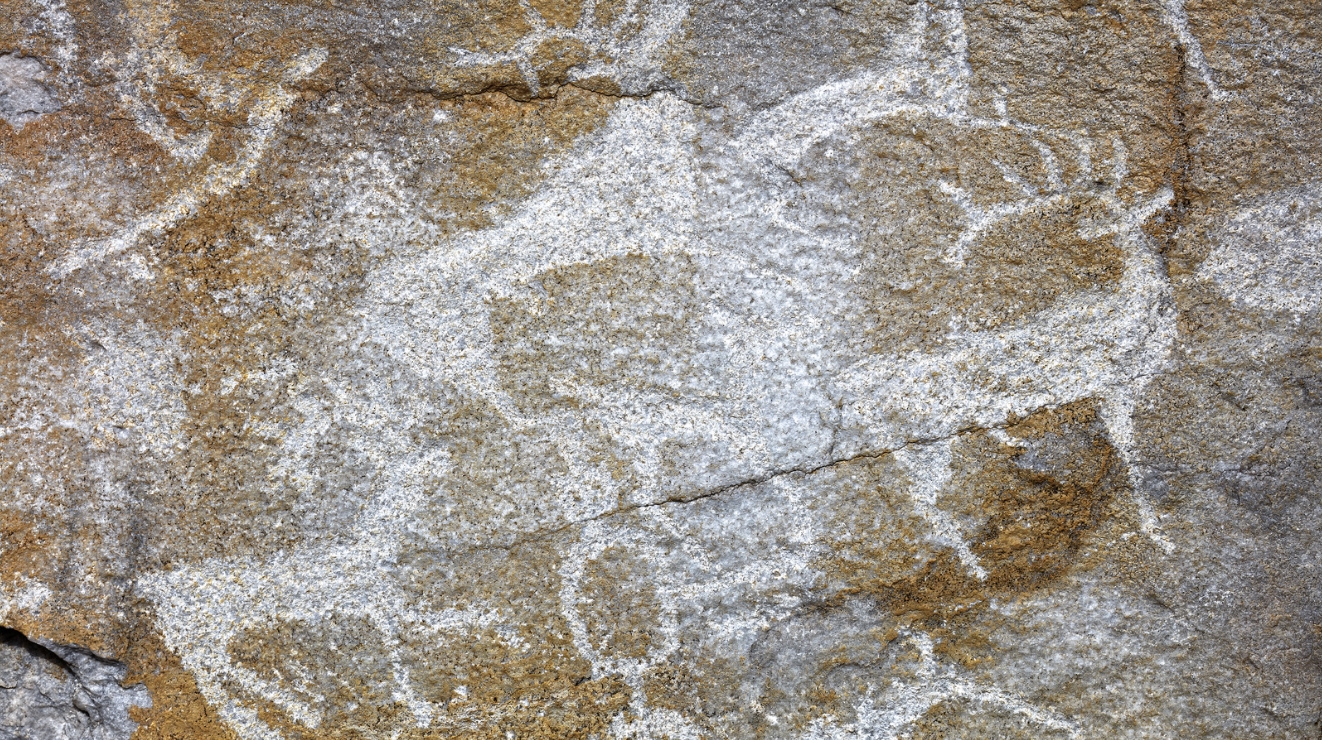
Located near Bellary in Karnataka, Sangankallu is one of the most important sites for understanding the Neolithic sequence in South India. It contains massive deposits of ash, confirming it was a major center for communal cattle management. The site has also yielded rock carvings and paintings that depict local fauna and early ritual activities.
Tekkalkota
This site in the Bellary district is famous for its rich Neolithic deposits. It is known for its unique burial traditions and the discovery of gold ornaments, suggesting that its inhabitants possessed significant wealth. The site provides evidence of a long-term sedentary village economy based on agriculture and cattle rearing.
Piklihal
Located in the Raichur district, Piklihal is a key site for studying the Neolithic-Megalithic transition. It is renowned for its large ash mounds, which are believed to be the remains of communal burning of cattle dung. The site contains extensive rock shelters with paintings and has provided a vast collection of polished stone axes and grinding stones.
Nagarjunakonda
Situated in the Guntur district of Andhra Pradesh along the Krishna River, this site represents a long cultural sequence. While famous for its Buddhist remains, it also contains significant Neolithic and Megalithic burials. The area provided essential resources for early populations, including stone for tool making and fertile land for cultivation.
Neolithic Sites of Eastern and North-East India
The Neolithic tradition in Eastern and North-East India displays strong influences from Southeast Asian cultural complexes, particularly in the use of specific stone tool types.
Daojali Hading
Located in the Dima Hasao district of Assam, this is a major site in the North-East. It is characterized by the discovery of shouldered stone celts and cord-impressed pottery. The presence of these tools indicates the practice of shifting cultivation, also known as jhum, which was well-suited to the hilly terrain of the region.
Kuchai
Situated in the Mayurbhanj district of Odisha, Kuchai provides evidence of the Neolithic transition in the eastern plateau region. The site yielded polished stone axes and coarse pottery. It is significant for linking the Neolithic developments of the Ganga plains with those of the forest zones of central and eastern India.
Sarutaru
Located in the Kamrup district of Assam, this site is vital for understanding the Neolithic expansion in the Northeast hills. Excavations here revealed polished stone celts and pottery similar to those found in Daojali Hading. The site highlights the continuity of cultural traditions and the spread of agricultural practices across the North-Eastern hill tracts.
Comparative Overview of Cultural Features
| Site | Region | Key Archaeological Signature |
| Maski | Karnataka | Ashokan edict; multi-cultural sequence |
| Brahmagiri | Karnataka | Cist burials; iron implements |
| Sangankallu | Karnataka | Ash mounds; rock paintings |
| Tekkalkota | Karnataka | Gold ornaments; burials |
| Piklihal | Karnataka | Ash mounds; polished stone axes |
| Nagarjunakonda | Andhra Pradesh | Neolithic to Megalithic burials |
| Daojali Hading | Assam | Shouldered celts; shifting cultivation |
| Kuchai | Odisha | Polished axes; coarse pottery |
| Sarutaru | Assam | Polished celts; regional hill tradition |
Additional Archaeological Facts
- The Neolithic culture in South India is defined by the stone axe-blade industry. Inhabitants lived in houses with circular plans, made of wattle and daub. The use of ground stone tools allowed for the clearing of forests, which were then used for planting millets.
- Cattle were the central pillar of the economy. The ash mounds in Karnataka are unique because they appear only in areas where granite outcrops provided natural enclosures for cattle.
- Megalithic sites across the Deccan are characterized by burials marked by large stones. Common types of burials include dolmens, cist burials, and urn burials. These tombs often contained iron tools, weapons, and black-and-red pottery.
- This suggests that the Megalithic people possessed advanced metallurgical knowledge. The presence of iron indicates a significant technological jump from the Neolithic copper-using cultures. These communities were skilled in both agriculture and hunting, maintaining a diversified economic base.
- North-East India occupies a unique place in Indian archaeology. The use of shouldered stone celts, also found in regions of Myanmar and Thailand, suggests cultural exchanges across the eastern borders. Unlike the plains of the Ganga, where pottery and bone tools dominate, the hills of the Northeast preserved stone-tool traditions for a much longer period.
These communities successfully adapted to high rainfall and forest environments, developing methods of agriculture that did not require permanent field clearing. This diversity of regional adaptation remains the defining characteristic of the Neolithic and Megalithic phases in the Indian subcontinent.