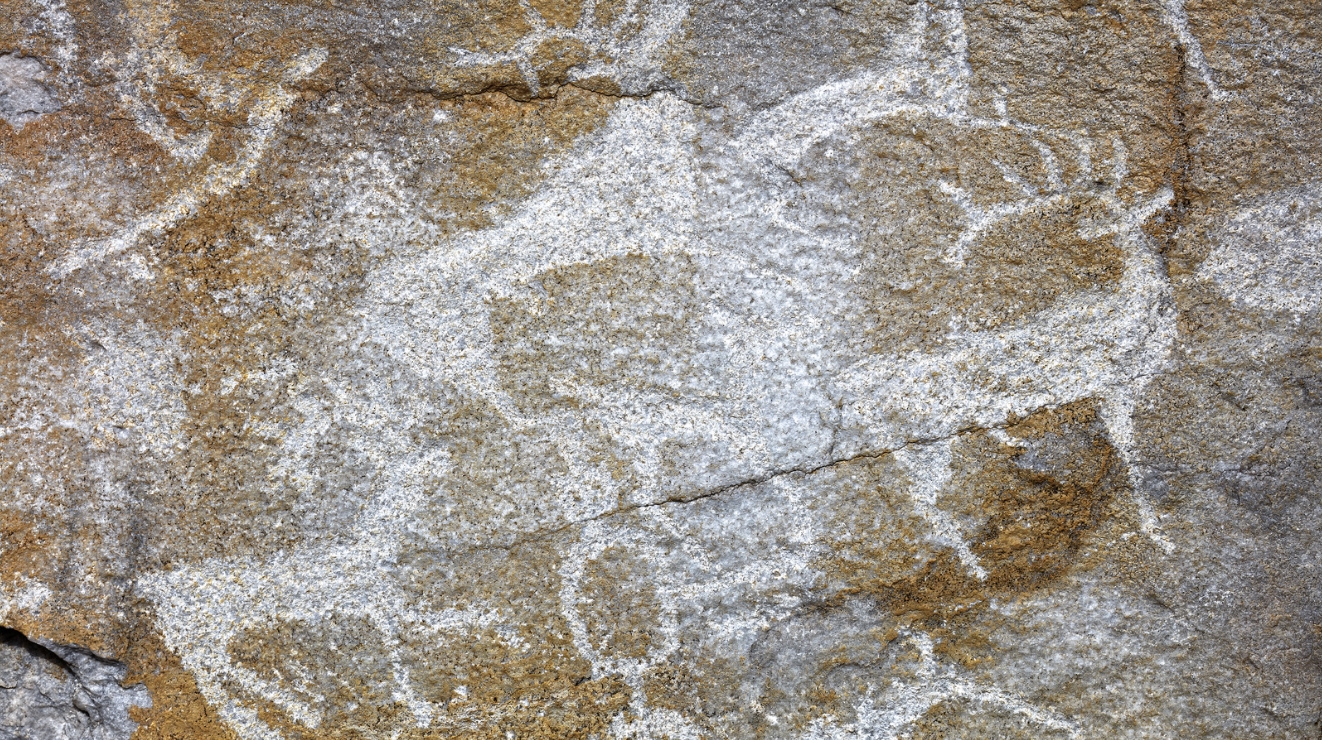
Perigordian, Chatelperronian, Gravettian, Aurignacian, Solutrean and Magdalenian Cultures
The Upper Palaeolithic period in Europe, dating roughly from 40,000 to 10,000 years ago, is defined by the arrival of anatomically modern humans and the subsequent replacement of Neanderthals. This period displays rapid technological innovation, the emergence of symbolic art, and the use of diverse materials. Archaeologists divide this era into distinct cultural phases based on stylistic changes in stone and bone tool production.
Chatelperronian Culture
The Chatelperronian is a transitional industry between the Middle and Upper Palaeolithic. It is unique because it is associated with Neanderthals rather than modern humans.
Characteristics
- The industry features a blend of Mousterian flake technology and early blade production.
- It is most famous for the Chatelperronian point, a flint blade with a curved, blunted back.
- This culture suggests Neanderthals may have adopted blade technology or cultural behaviors from incoming modern humans.
- Sites are primarily located in France and northern Spain.
Aurignacian Culture
The Aurignacian is the first fully developed Upper Palaeolithic industry produced by modern humans in Europe. It represents a major cultural shift.
Innovations
- Tool kits include retouched blades, end scrapers, and split-base bone points.
- Humans produced the earliest known figurative art, including cave paintings and small ivory figurines.
- The industry includes the earliest evidence of musical instruments, such as bone flutes.
- Sites like Hohle Fels in Germany have provided some of the most detailed archaeological evidence for this period.
Perigordian Culture
The term Perigordian historically grouped the Chatelperronian and Gravettian industries into a single technological sequence. Modern scholars often treat them as separate, but the term remains useful for understanding the developmental continuity of backed-blade tools in southwestern France.
Gravettian Culture
The Gravettian industry followed the Aurignacian. It is noted for its widespread geographic distribution across Europe, from the Atlantic coast to the Russian plains.
Technological and Artistic Features
- The signature tool is the Gravette point, a small, narrow blade with a straight, blunted back.
- This period saw the creation of Venus figurines, which are small, stylized female statues made of stone, ivory, or clay.
- Gravettian groups built more complex structures, often using mammoth bones to build huts in the cold climates of Eastern Europe.
- Specialized hunting strategies targeted large migratory herds.
Solutrean Culture
The Solutrean is recognized as the peak of stone tool craftsmanship in the prehistoric world. It occurred during the harsh conditions of the Last Glacial Maximum.
Craftsmanship
- Toolmakers mastered advanced pressure flaking to create exceptionally thin, symmetrical bifacial points.
- Laurel-leaf and willow-leaf points are the hallmark artifacts of this culture.
- These tools were often too fragile for heavy use, suggesting they may have held high social or ritual value.
- Despite their artistic quality, the Solutrean period was relatively short-lived.
Magdalenian Culture
The Magdalenian is the final major culture of the Upper Palaeolithic. It flourished during the warming period after the Last Glacial Maximum.
Cultural Complexity
- This culture produced an extensive range of specialized bone and antler tools, including harpoons, needles, and spear-throwers.
- It marks the climax of European cave art, exemplified by sites like Lascaux in France and Altamira in Spain.
- Highly detailed engravings on tools and portable art items were common.
- Magdalenian groups relied heavily on reindeer hunting and, in coastal areas, maritime resources.
Comparison of Upper Palaeolithic Industries
| Culture | Primary Diagnostic Tool | Notable Feature |
|---|---|---|
| Chatelperronian | Curved backed point | Neanderthal association |
| Aurignacian | Split-base bone point | Earliest cave art and flutes |
| Gravettian | Straight backed blade | Venus figurines |
| Solutrean | Thin laurel-leaf point | Advanced pressure flaking |
| Magdalenian | Bone harpoon | Peak of cave painting |
Facts and Observations
- The transition from the Middle to Upper Palaeolithic was not an abrupt replacement but involved a period of overlap where Neanderthal and modern human technologies coexisted. The production of beads made from animal teeth and shells during the Aurignacian indicates the importance of social status and personal identity.
- Ivory was a prized material during this period, requiring long hours of soaking to make it pliable enough for carving into figurines. The bone needle, which first appeared in the Aurignacian and was perfected in the Magdalenian, allowed humans to create multi-layered, tailored clothing.
- This invention was essential for occupying the cold, northern latitudes of Europe during glacial cycles. Many Upper Palaeolithic groups practiced long-distance trade, as evidenced by seashells and flint types found hundreds of kilometers from their geological sources.
- The shift toward microliths at the end of the Magdalenian signaled the beginning of the Mesolithic transition, where smaller, composite tools became the standard for hunting and foraging.
The Last Glacial Maximum, which forced populations into southern refugia, acted as a primary driver for the intense artistic production seen in the Solutrean and Magdalenian periods. Cave art served various purposes, including ritual storytelling, tracking game, and marking territorial boundaries. The artistic techniques of the Magdalenian include the use of charcoal, iron oxide, and manganese to create polychrome images on cave walls.