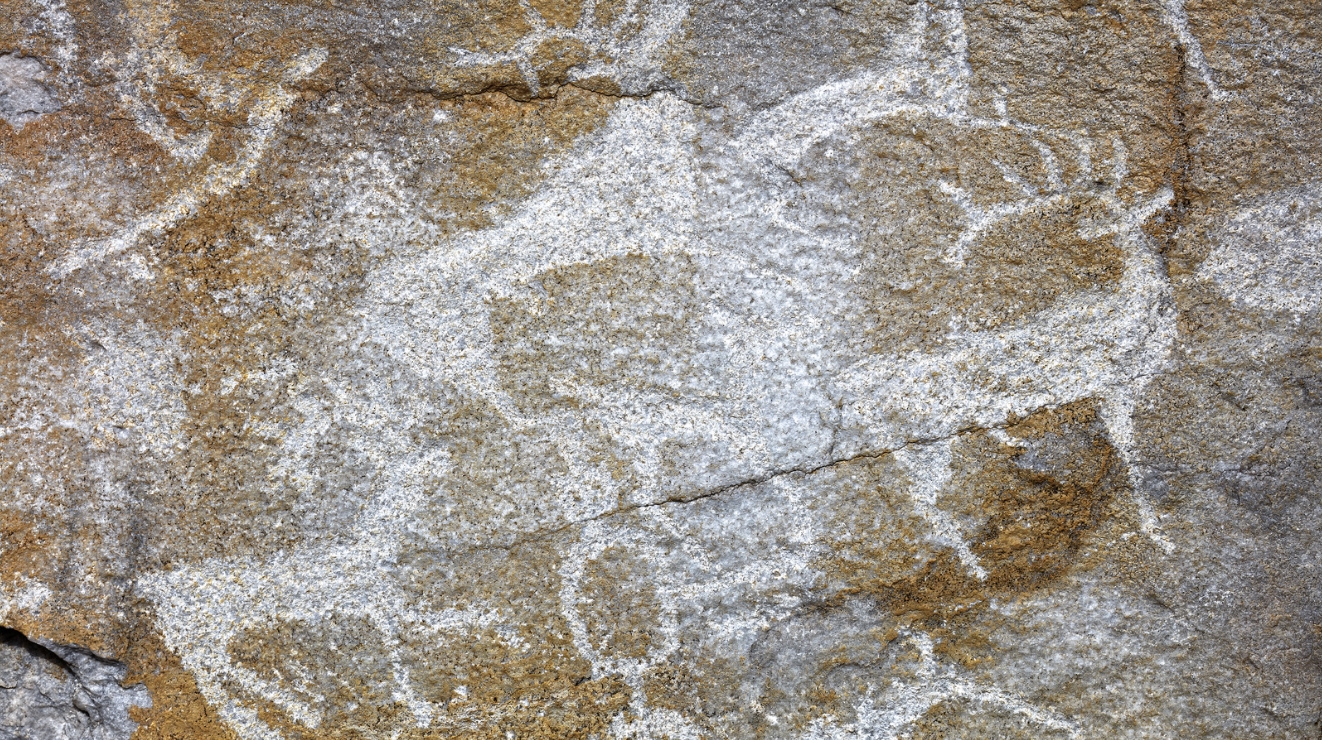
Mesolithic Sites: Bagor, Tilwara, Langhnaj, Adamgarh, Chopani Mando, Sarai Nahar Rai and Birbhanpur
The Mesolithic period in India spans roughly from 10,000 BCE to 6,000 BCE. This phase is characterized by the widespread use of microliths, small stone tools fashioned from fine-grained rocks. The following sites represent the core of Mesolithic research in the Indian subcontinent, providing data on transition, lifestyle, and environment.
Bagor and Tilwara (Rajasthan)
Bagor, located on the Kothari River in the Bhilwara district, is the largest Mesolithic site in India. It has provided a long stratigraphic sequence showing the transition from hunter-gatherer to pastoral lifestyles.
- Excavations revealed an abundance of microliths, including blades, triangles, and lunates.
- The site provides early evidence of animal domestication, specifically sheep and goats.
- Burials at Bagor contained ornaments made of shell and stone beads.
- Tilwara, situated in the Barmer district, shares similar lithic characteristics with Bagor.
- Tilwara represents an arid-zone adaptation, showing how populations utilized limited water sources in the Thar Desert.
Langhnaj (Gujarat)
Langhnaj is a key site in the sandy plains of north Gujarat. It is central to the understanding of Mesolithic burials and skeletal biology.
- The site yielded microliths alongside bone tools and human skeletal remains.
- Findings include arrowheads, scrapers, and burins made from quartz and agate.
- Burial patterns at Langhnaj show bodies placed in a flexed position, often with grave goods.
- Faunal remains suggest the hunting of deer, rhinoceros, and various aquatic species.
- Pottery shards found in the upper levels indicate interaction with later Chalcolithic cultures.
Adamgarh (Madhya Pradesh)
Adamgarh is located near Hoshangabad. It is famous for its rock shelters and significant lithic and faunal evidence.
- The site provides evidence of the domestication of cattle, sheep, and goats alongside wild animal remains.
- Microliths are found in high concentrations, indicating a primary workshop or habitation area.
- Tool types include points, scrapers, and blades manufactured from chert and chalcedony.
- The proximity to the Narmada River offered stable resources, allowing for extended occupation periods.
Chopani Mando (Uttar Pradesh)
Chopani Mando in the Belan Valley is one of the few sites that document the transition from the Upper Palaeolithic to the Mesolithic.
- The site displays a continuous evolution from simple blade-based industries to microlithic production.
- Excavations recovered handmade pottery, which is a rare feature for early Mesolithic contexts in India.
- The economy was based on hunting wild animals and gathering wild rice.
- The site serves as a link to understand how populations moved from mobile foraging toward semi-settled living.
Sarai Nahar Rai (Uttar Pradesh)
Located in the Pratapgarh district, Sarai Nahar Rai is famous for its human skeletal remains and evidence of communal living.
- The site provides data on the physical characteristics and health of Mesolithic populations.
- Burials were organized in a cemetery area, indicating formal social planning.
- Evidence suggests the use of heavy-duty stone tools alongside microliths for butchering.
- Hearths were found in habitation areas, confirming the use of fire for cooking and warmth.
- The findings at this site have been instrumental in reconstructing the demographic profile of Mesolithic communities.
Birbhanpur (West Bengal)
Birbhanpur is an important site in the Damodar Valley. It provides evidence for Mesolithic adaptations in the eastern forest zones.
- The site is an open-air locality situated on a plateau.
- Archaeologists recovered a large collection of microliths, including blades, scrapers, and lunates.
- There is no evidence of pottery or metal, suggesting a pure Mesolithic culture.
- The tool kit reflects a reliance on hunting and gathering in a forested riverine environment.
- The site illustrates the wide geographical spread of microlithic technology across diverse Indian landscapes.
Summary of Key Features
| Site | Region | Primary Significance |
| Bagor | Rajasthan | Largest site; evidence of animal domestication |
| Tilwara | Rajasthan | Arid zone adaptation |
| Langhnaj | Gujarat | Burials and skeletal data |
| Adamgarh | Madhya Pradesh | Domestication and lithic workshop |
| Chopani Mando | Uttar Pradesh | Transition from Palaeolithic to Mesolithic |
| Sarai Nahar Rai | Uttar Pradesh | Communal burials and skeletal biology |
| Birbhanpur | West Bengal | Eastern regional forest adaptation |
- Mesolithic sites across India indicate that humans developed highly regionalized adaptations. In the arid tracts of Rajasthan, sites like Bagor focus on early pastoralism.
- In the Gangetic plains, sites like Sarai Nahar Rai highlight organized social structures and burial traditions. The consistent use of microliths across these disparate environments confirms that this technology was the most efficient tool kit for the post-Pleistocene climate.
- The transition to sedentary life began at sites like Chopani Mando, where early pottery and evidence of long-term habitation were recorded.
While hunting and gathering remained the backbone of the economy, these communities actively managed their local flora and fauna. The study of these sites confirms that the Mesolithic period was not a static phase but a dynamic era of innovation that laid the groundwork for future agricultural societies.