Lower Palaeolithic Period in India
The Lower Palaeolithic is the earliest phase of the Stone Age, spanning from approximately 2.5 million years ago to 100,000 years ago. In the Indian subcontinent, this period is characterized by the use of core-tool technology, primarily involving large, heavy stone tools shaped by percussion.
Chronology and Distribution
The Lower Palaeolithic culture in India aligns with the geological Pleistocene epoch. Stone tool assemblages are widely distributed across diverse ecological zones, including river valleys, plateaus, and hilly regions.
Key Geographical Concentrations
- Soan Valley (now in Pakistan)
- Thar Desert regions of Rajasthan
- Belan Valley in Uttar Pradesh
- Narmada Valley in Madhya Pradesh
- Hunsgi and Baichbal valleys in Karnataka
- Attirampakkam in Tamil Nadu
Tool Technology
The primary characteristic of this phase is the development of the Handaxe and Cleaver tradition. These tools were fashioned from hard rocks such as quartzite, basalt, and dolerite.
Tool Categories
- Handaxes: Pear-shaped, bifacial tools used for chopping, scraping, and digging.
- Cleavers: Tools with a straight, sharp, broad edge at one end, likely used for butchering or heavy-duty woodworking.
- Choppers and Chopping Tools: Large cobbles with a simple working edge created by removing flakes from one or two sides.
- Flakes: Fragments detached from cores, repurposed as simple cutting implements.
Cultural and Adaptive Strategies
Humans during this period were primarily hunter-gatherers. They lived in small, mobile groups, moving according to the availability of game and plant resources.
Subsistence and Lifestyle
- Diet: Consumed a variety of gathered plant foods, tubers, seeds, and small to medium-sized game.
- Settlement Patterns: Sites are often found near water bodies, which provided both essential water and attracted diverse fauna for hunting.
- Shelter: Evidence suggests the use of natural rock shelters and temporary structures made of perishable materials like wood or hides.
Important Archaeological Sites
Archaeological excavations have provided insights into the spatial organization and technological evolution of Lower Palaeolithic humans.
| Site | Region | Significance |
| Attirampakkam | Tamil Nadu | Known for a very long sequence of stone tool industries spanning several hundred thousand years. |
| Hunsgi | Karnataka | A cluster of sites showing concentrated human activity near seasonal water sources. |
| Hathnora | Madhya Pradesh | Famous for the discovery of a hominin skull fragment in the Narmada Valley. |
| Isampur | Karnataka | A quarry site where large quantities of raw material and finished tools were found. |
| Didwana | Rajasthan | Provided evidence of changing tool types amidst shifting climatic conditions in the Thar Desert. |
Evolutionary Context
The fossil record for this period in India is sparse. The Hathnora specimen, discovered in 1982, represents the most critical find, indicating the presence of archaic humans. These hominins had to adapt to varying climatic cycles, ranging from arid phases to periods of increased humidity. The transition from the Lower Palaeolithic to the Middle Palaeolithic is marked by a gradual reduction in the size of tools and a shift toward more specialized flake-based industries.
- General Facts and Trivia
- The Lower Palaeolithic tool kit is often referred to as the Soanian culture in the north and the Madrasian culture in the south. The Soanian tradition is identified by its focus on choppers and chopping tools, while the Madrasian tradition is defined by the preponderance of Acheulian handaxes.
- The manufacture of these tools required a high degree of cognitive ability and knowledge of material properties. Hominins had to select specific types of stone that would fracture predictably when struck.
- Quartzite was the preferred material across much of the peninsula because of its durability and availability in river pebbles and rocky outcrops.Evidence from sites like Attirampakkam indicates that early human populations persisted in the Indian subcontinent despite major environmental shifts.
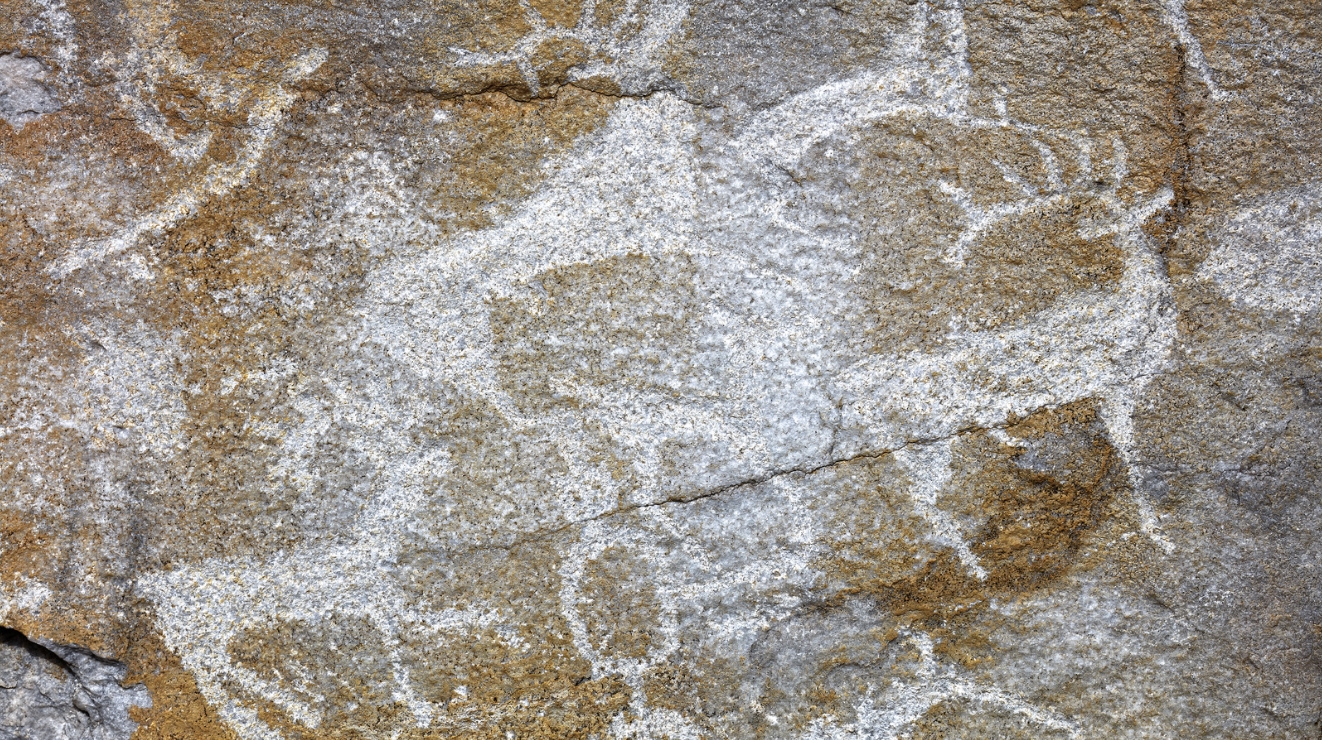
The lack of extensive cave paintings or complex art during this phase suggests that symbolic expression, if present, was likely restricted to ephemeral media that did not survive the archaeological record. The focus remained on survival, resource acquisition, and the technical mastery of stone knapping.