
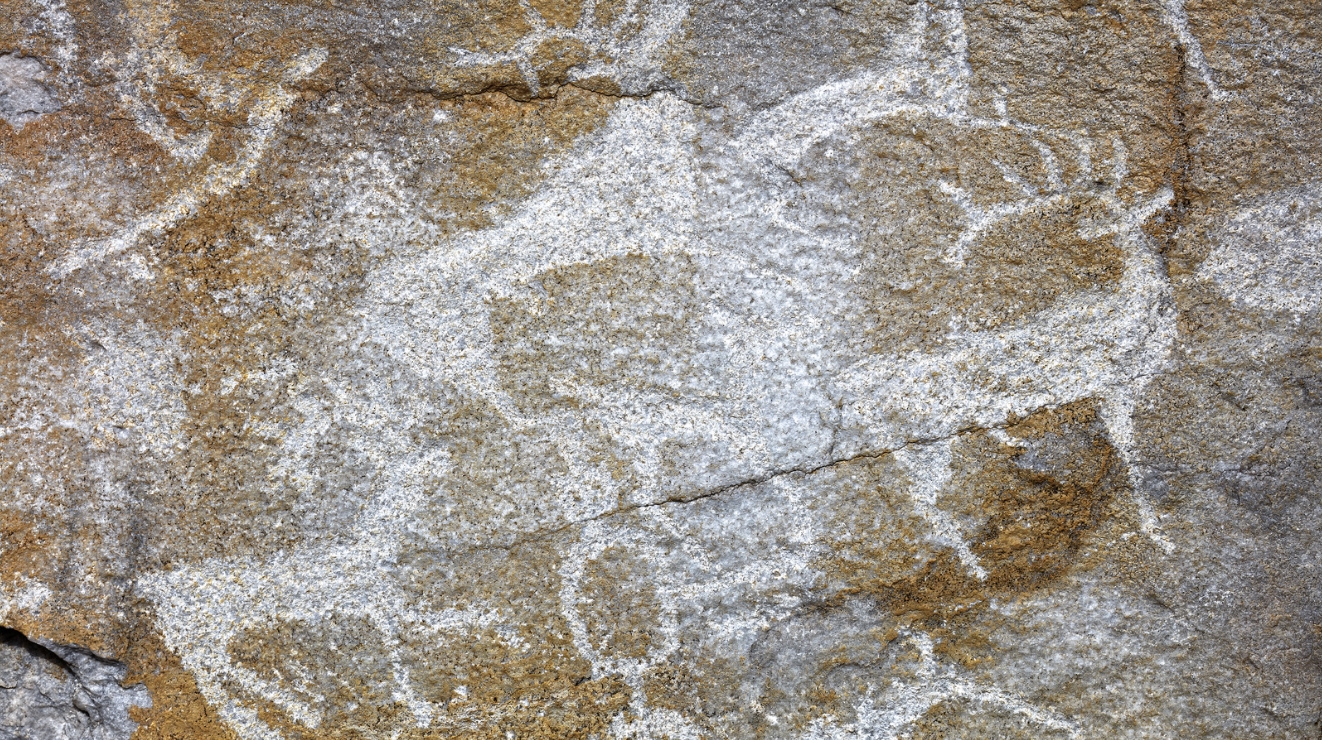
Expansion of Village Sites and Development of Metal Technology
The transition from the Neolithic to the Chalcolithic period marks a critical phase in human history where settled village life expanded and metal technology emerged. This period, often called the Stone-Copper age, saw communities move into more diverse ecological zones while refining their economic and social structures.
Drivers of Village Expansion
Village settlements expanded due to advancements in agricultural productivity and improved environmental adaptation. As farming communities mastered local ecosystems, they produced food surpluses that allowed for higher population densities.
Factors Facilitating Growth
- Development of better tools for forest clearance and field preparation.
- Ability to exploit varied terrains, including alluvial plains, plateaus, and hilly regions.
- Growth of inter-village trade networks for the exchange of raw materials and finished goods.
- Permanent architectural styles providing better protection against climate variations.
- Establishment of organized labor systems for communal activities like irrigation and village defense.
Development of Metal Technology
The hallmark of the Chalcolithic period is the introduction of copper as a functional material. While stone tools remained in use, metal provided new possibilities for tool design and status signaling.
Technological Progress
- Initial metal usage involved cold hammering of native copper to create simple items.
- Development of smelting techniques allowed for the extraction of metal from ores.
- Creation of diverse copper artifacts, including axes, chisels, knives, bangles, and fishhooks.
- Integration of metal blades into composite tools, increasing the efficiency of hunting and harvesting.
- Emergence of specialized metal-working workshops within village settlements.
Cultural and Settlement Patterns
Chalcolithic cultures developed specific regional identities based on their material culture and environmental responses. Each cultural group demonstrated unique approaches to village layout and resource management.
Regional Characteristics
- Ahar-Banas Culture: Located in southeastern Rajasthan, this culture is recognized by white-painted black-and-red pottery. Settlements featured stone foundations and mud-brick walls.
- Malwa Culture: Found in the Narmada and Chambal basins, this culture produced richly painted pottery and evidence of large, multi-roomed houses.
- Jorwe Culture: Centered in the Deccan plateau, this culture is identified by its matte-red pottery and the practice of infant urn burials under house floors.
Social and Economic Stratification
The combination of agricultural surplus and access to metal resources accelerated social differentiation within village communities.
Emergence of Hierarchy
- Wealth accumulation: Access to copper and exotic materials like semi-precious stones became a marker of high social status.
- Burial evidence: Graves containing high-quality ornaments and metal items contrast with simple burials, indicating clear social ranking.
- Centralized management: Larger houses and granaries suggest the existence of elite groups responsible for resource distribution and communal welfare.
- Specialization: Populations supported full-time artisans, including potters, bead-makers, and metal-smiths, who were freed from daily food production.
Summary of Chalcolithic Cultural Phases
| Culture | Region | Key Diagnostic Feature |
| Ahar | Rajasthan | White-painted black-and-red ware |
| Malwa | Madhya Pradesh | Richly painted ceramic styles |
| Jorwe | Maharashtra | Matte-red pottery; urn burials |
| Kayatha | Madhya Pradesh | Copper tools and stone beads |
Technological and Social Facts
- Copper was often found in regions with rocky outcrops, leading to the establishment of specific industrial villages focused on mining and smelting.
- Despite the introduction of metal, microlithic stone tools remained the primary technology for daily tasks due to their accessibility and ease of production.
- The expansion of village sites was accompanied by the domestication of a wider range of animals, including cattle, sheep, goats, and pigs, which provided a stable protein source and labor power.
- Water management practices became essential as communities grew. Evidence from Inamgaon shows the construction of an irrigation ditch, highlighting the ability of Chalcolithic villages to coordinate large-scale labor.
- Infant urn burial practices, common in the Jorwe culture, provide critical data on the burial rituals and the demographic composition of these villages. The spread of these cultures was not uniform; some regions maintained Neolithic traditions while neighbors adopted copper technology.
This era provided the demographic and organizational base for the eventual rise of more complex urban societies. Knowledge of fire and kiln technology for pottery also improved, leading to higher-quality, more durable ceramic wares compared to the Neolithic phase. These developments in material science and social organization were essential prerequisites for the later transition to the Bronze Age.

tiya Judit Francis
May 26, 2015 at 7:57 pmAircraft manufacturing