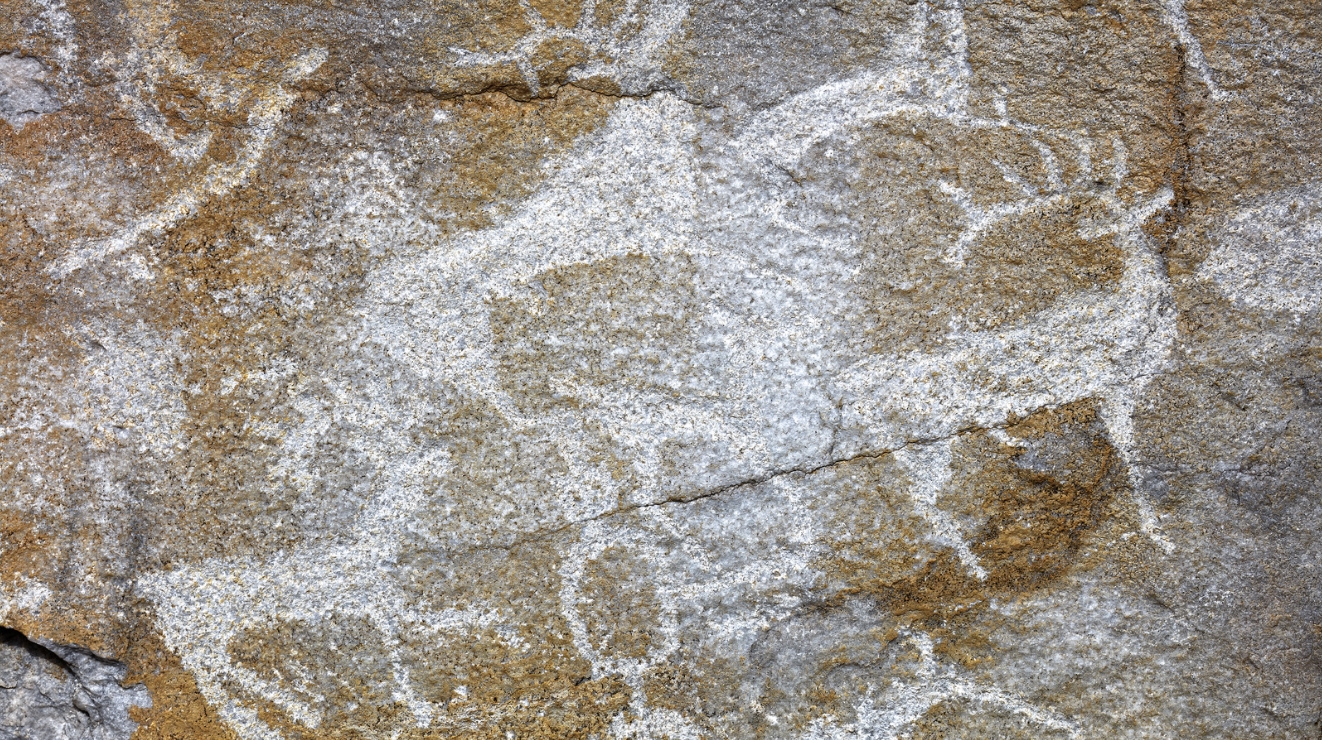
Indus Sites: Amri, Kot Diji, Kalibangan, Mohenjodaro, Harappa, Lothal, Dholavira and Rakhigarhi
The Indus Valley Civilization, also known as the Harappan Civilization, represents the earliest urban culture in South Asia. Its archaeological record is defined by systematic urban planning, standardized weights and measures, and advanced metallurgical skills. Key sites provide evidence of regional variations, trade networks, and social organization within this Bronze Age society.
Harappa and Mohenjo-daro
Harappa is located on the banks of the Ravi River in the Sahiwal district of Punjab, Pakistan. It was the first site of this civilization discovered in 1921. Excavations here revealed defensive walls, granaries, and worker quarters. The site provided evidence of cemetery H, a culture that followed the urban Harappan phase. Mohenjo-daro, situated in the Larkana district of Sindh, Pakistan, is the largest site of the civilization. Its name translates to the mound of the dead. It is famous for the Great Bath, a large public tank built with bitumen-sealed bricks. Other major findings include the bronze dancing girl, the priest-king steatite sculpture, and a piece of woven cotton fabric. The city layout shows a clear distinction between the citadel and the lower town.
Kalibangan and Kot Diji
Kalibangan is located on the banks of the Ghaggar River in the Hanumangarh district of Rajasthan. The site provides a unique record of both pre-Harappan and mature Harappan phases. It is distinct for its fire altars, which were found on the citadel. It also yielded evidence of a ploughed field, the earliest of its kind in the archaeological record, suggesting that Harappan farmers used wooden ploughs. Kot Diji is situated in the Khairpur district of Sindh, Pakistan. It is a vital site for understanding the transition from early Harappan to mature Harappan phases. Excavations here uncovered defensive fortifications and evidence of massive fire events that preceded the mature urban stage. The site is known for its high-quality wheel-made pottery and terracotta figurines.
Amri and Dholavira
Amri is located in the Dadu district of Sindh, Pakistan. It is primarily an early Harappan site. It is significant for the discovery of rhinoceros remains, which indicate that the environment in the Indus region was more forested and humid during the early stages of the civilization. The site lacks the extensive fortification found in later mature urban centers. Dholavira is situated on Khadir Beyt in the Kutch district of Gujarat, India. This site is famous for its advanced water management system, which included massive stone reservoirs for rainwater harvesting. It is the only major Harappan city divided into three parts: the citadel, middle town, and lower town. Excavations at Dholavira also unearthed a large sign board containing ten large symbols, representing one of the few instances of monumental writing in the civilization.
Lothal and Rakhigarhi
Lothal is located in the Ahmedabad district of Gujarat, India. It was a major port city situated near the confluence of the Sabarmati and Bhogavo rivers. Its most defining feature is a brick-built dockyard, which enabled maritime trade with regions like Mesopotamia. Excavations also revealed a bead-making factory and evidence of rice cultivation, as shown by rice husk impressions in pottery. It contains a shared cemetery where couples were buried together in some graves. Rakhigarhi is situated in the Hisar district of Haryana, India. It is currently recognized as the largest Harappan site. The site contains extensive mounds that cover a vast residential area. Excavations have provided evidence of large-scale grain storage and specialized artisan workshops. It is a critical site for studying the regional expansion of the civilization into the fertile plains of the Ghaggar-Hakra system.
Comparative Summary of Indus Sites
| Site | Region | Key Feature |
| Harappa | Punjab, Pakistan | First discovered site; granaries |
| Mohenjo-daro | Sindh, Pakistan | Great Bath; bronze dancing girl |
| Kalibangan | Rajasthan, India | Ploughed field; fire altars |
| Kot Diji | Sindh, Pakistan | Pre-Harappan transition |
| Amri | Sindh, Pakistan | Rhinoceros remains |
| Dholavira | Gujarat, India | Water reservoirs; tripartite city |
| Lothal | Gujarat, India | Artificial dockyard; bead factory |
| Rakhigarhi | Haryana, India | Largest Harappan site |
Archaeological Facts and Trivia
- The Indus Civilization did not use iron; its tools were made of stone, copper, and bronze. Standardized baked bricks were used in all major cities, usually in a ratio of 1:2:4 for length, width, and thickness.
- The civilization operated on a highly organized system of trade, with Harappan seals discovered in the city of Ur in Mesopotamia. Cattle, sheep, and goats were the primary domesticated animals, while wheat and barley served as the staple crops.
- The script used by the Harappans remains undeciphered, consisting of over 400 distinct signs. Most cities were aligned to cardinal directions, reflecting a deep knowledge of geometry and astronomy.
- The decline of these sites was not uniform; urban centers gradually transformed into smaller, rural farming communities over several centuries.
Rakhigarhi is currently the subject of extensive DNA studies, which aim to clarify the genetic composition of the Harappan population. Kalibangan is one of the few sites where archaeologists have identified distinct pre-Harappan layers that show the early development of urban features. The dockyard at Lothal is considered one of the earliest examples of maritime engineering in human history.