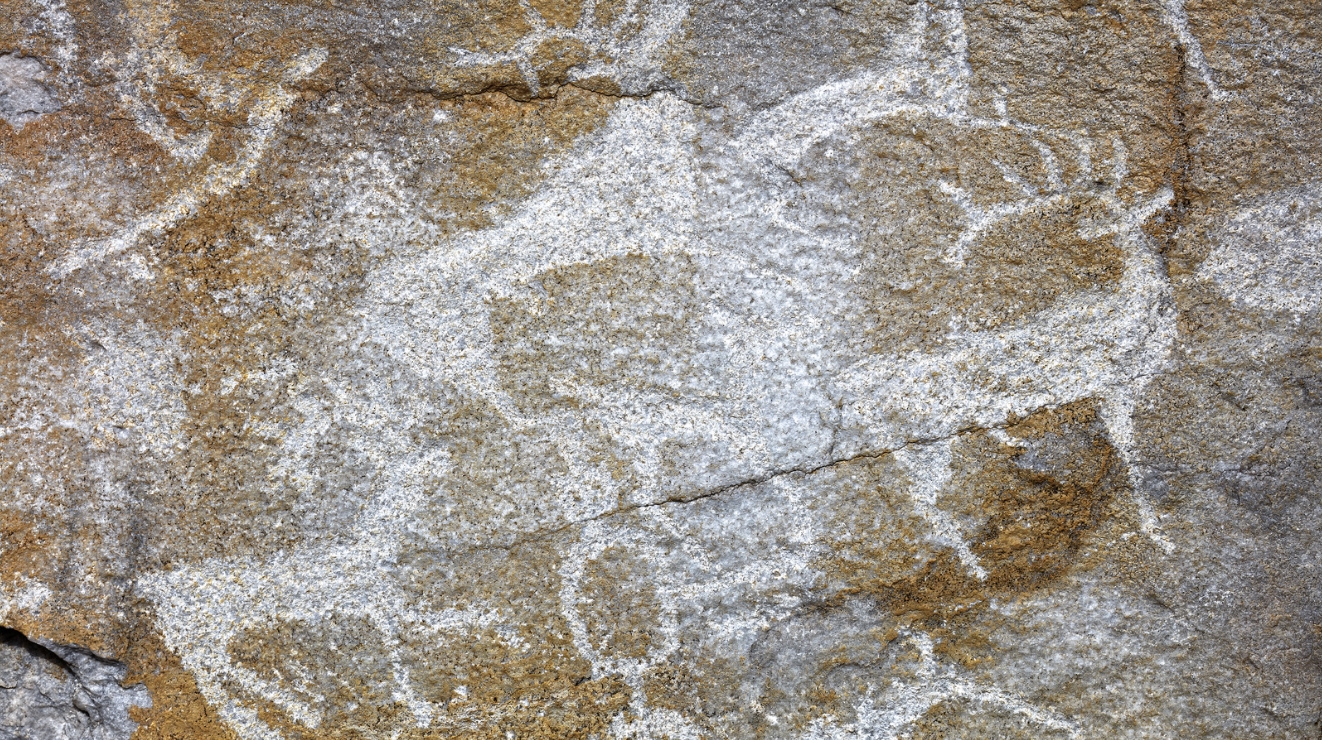
Dispersal of Modern Humans
The dispersal of anatomically modern humans, Homo sapiens, marks the final major migration in the history of the genus Homo. Originating in Africa, this expansion resulted in the colonization of all habitable continents and the eventual extinction of archaic human groups.
Theories of Human Origins
Two competing models historically framed the debate on human origins, though current genetic evidence heavily favors one.
- Out of Africa Model: This theory states that modern humans evolved in Africa between 300,000 and 200,000 years ago and subsequently migrated to other parts of the world, replacing archaic populations like Neanderthals and Denisovans without significant interbreeding.
- Multiregional Continuity Model: This theory proposed that modern humans evolved simultaneously from archaic populations in different parts of the world through continuous gene flow.
- Current Consensus: Genetic sequencing shows that while most human ancestry is African, interbreeding between modern humans and archaic groups did occur outside of Africa. This supports a modified Out of Africa model with minor genetic contributions from archaic populations.
Early Migration Routes
Modern humans utilized multiple routes to exit Africa, driven by changing climate conditions that turned deserts into green corridors.
- Northern Route: Humans moved from Northeast Africa across the Sinai Peninsula into the Levant. Evidence from Qafzeh and Skhul caves in modern-day Israel confirms their presence in the Near East by 100,000 years ago.
- Southern Route: This path involved crossing the Bab-el-Mandeb Strait, which separates the Horn of Africa from the Arabian Peninsula. Lower sea levels during glacial periods made this crossing feasible. This coastal route allowed humans to spread rapidly across the Indian Ocean coastline toward South and Southeast Asia.
Expansion into Asia and Oceania
Humans reached the far corners of Asia and Australia much earlier than historical estimates suggested.
- South and Southeast Asia: Archaeological findings in sites like Fuyan Cave in China date human presence back to at least 80,000 years ago. Coastal migration facilitated rapid movement through India and toward the Indonesian archipelago.
- Australia: Humans reached Australia by 65,000 years ago. This journey required crossing open water between the islands of Sunda (Southeast Asia) and Sahul (the prehistoric landmass of Australia and New Guinea), proving that early humans had the technology to build watercraft.
- Mungo Man: Found in New South Wales, the remains of Mungo Man date to roughly 42,000 years ago and provide evidence for early human adaptation to the diverse environments of the Australian continent.
Settlement of Europe
The arrival of Homo sapiens in Europe occurred roughly 45,000 years ago. This expansion led to the encounter and eventual displacement of Neanderthal populations.
- Initial Entry: Humans likely moved into Europe via the Danube River valley and the Mediterranean coast.
- Oase Fossils: Remains from Pestera cu Oase in Romania are among the oldest in Europe and exhibit clear physical traits inherited from recent interbreeding with Neanderthals.
- Cultural Transition: The arrival of modern humans marks the beginning of the Upper Paleolithic period in Europe, characterized by rapid changes in tool technology and the emergence of figurative art.
Colonization of the Americas
The settlement of the Americas is the most recent major migration event in human history.
- Beringia Land Bridge: During the last glacial maximum, sea levels dropped, creating a land bridge connecting Siberia and Alaska. Humans moved from Asia into North America by crossing this bridge.
- Migration Timing: While earlier estimates placed this migration at 13,000 years ago, new archaeological evidence from sites in Chile and North America suggests human presence as early as 20,000 to 25,000 years ago.
- Coastal Route: Many researchers now suggest that early groups traveled along the Pacific coast by boat, which allowed them to bypass glacial barriers and move quickly into South America.
Behavioral Drivers of Dispersal
The successful dispersal of Homo sapiens relied on a specific set of cultural and cognitive adaptations.
- Advanced Tool Technology: The invention of blades, projectile points, and composite tools made of bone and wood increased efficiency in hunting and processing food.
- Symbolic Thought: The production of cave paintings, personal ornaments, and figurines indicates a capacity for symbolic communication and social cohesion.
- Resource Management: The ability to store food and transport water enabled humans to survive in arid and cold environments where previous hominid species struggled.
- Social Networks: Humans maintained long-distance exchange networks for raw materials like obsidian and flint, which fostered alliances between different groups and allowed for the sharing of technology.
Summary of Migration Timeline
| Region | Estimated Arrival Time |
| Africa | 300,000 years ago |
| Near East | 100,000 years ago |
| China | 80,000 years ago |
| Australia | 65,000 years ago |
| Europe | 45,000 years ago |
| Americas | 20,000–25,000 years ago |
Evolutionary Facts
- All non-African human populations carry approximately 1 to 4 percent Neanderthal DNA, the result of interbreeding events that occurred in the Near East shortly after the initial African exit.
- Populations in Melanesia and Australia carry DNA from the Denisovans, an archaic group that inhabited East Asia. The human population went through a bottleneck event roughly 70,000 years ago, which severely reduced genetic diversity, likely due to a massive volcanic eruption at Lake Toba in Indonesia.
This event may have triggered a rapid expansion as survivors filled newly emptied ecological niches. Modern humans are the only surviving hominid species, but at the time of their migration into Europe and Asia, they coexisted with at least three other species: Neanderthals, Denisovans, and Homo floresiensis. Human migration was highly dependent on climate cycles, with major dispersal events occurring during interglacial periods when land bridges were exposed or environmental corridors were opened.