Anatomically Modern Homo sapiens in Africa, Europe, Asia and Australia
Anatomically Modern Humans (AMH), classified as Homo sapiens, represent the only extant species in the genus Homo. Their evolution is characterized by a high, rounded cranium, a vertical forehead, a distinct chin, and a reduced brow ridge. This transformation occurred alongside significant cognitive developments, tool innovation, and symbolic expression.
African Origins
The current scientific consensus places the origin of Homo sapiens in Africa between 300,000 and 200,000 years ago. Early populations gradually replaced archaic forms through both biological evolution and cultural adaptation.
- Jebel Irhoud, Morocco: Fossils found here date to approximately 300,000 years ago. They possess a mix of archaic and modern facial features, marking the earliest known evidence of the species.
- Omo Kibish, Ethiopia: Dated to about 195,000 years ago, these remains display clear modern cranial characteristics, confirming East Africa as a primary center of early human development.
- Herto, Ethiopia: Fossils from this site show a transition to fully modern morphology around 160,000 years ago.
Expansion into Asia and Australia
Human migration out of Africa took place in multiple waves. Populations moved along coastal routes and through interior land corridors, reaching diverse environments across the Asian continent and eventually Australia.
- Near East: Sites like Skhul and Qafzeh in Israel contain human remains dated to roughly 100,000 years ago. These individuals existed alongside Neanderthal populations in the same region.
- East Asia: Early presence in China is evidenced by fossils from Fuyan Cave, dating back 80,000 to 120,000 years. This suggests humans arrived in Asia much earlier than previously estimated.
- Australia: Arrival in Australia occurred at least 50,000 to 65,000 years ago. This migration required crossing open ocean waters, demonstrating sophisticated navigation and maritime capability. The Mungo Man remains provide critical evidence for early human life in the arid Australian interior.
Arrival in Europe
The migration into Europe happened later than in other regions, likely between 45,000 and 40,000 years ago. This expansion led to interactions with existing Neandertal populations.
- Cro-Magnon: These remains, found in France, represent some of the earliest fully modern humans in Europe. They were associated with complex blade technologies and artistic production.
- Pestera cu Oase, Romania: Fossils here display a mix of modern and Neandertal traits, providing genetic evidence of interbreeding between the two groups.
- Cultural Transition: The arrival of modern humans in Europe coincides with the decline of the Neandertals, a process driven by resource competition and climatic instability.
Technological and Behavioral Innovations
Modern humans developed cultural practices that set them apart from archaic hominids. These innovations allowed for faster adaptation to changing environments.
- Upper Paleolithic Tools: Technology shifted toward the production of long, thin blades. Materials such as bone, antler, and ivory were used to create needles, fishhooks, and projectile points.
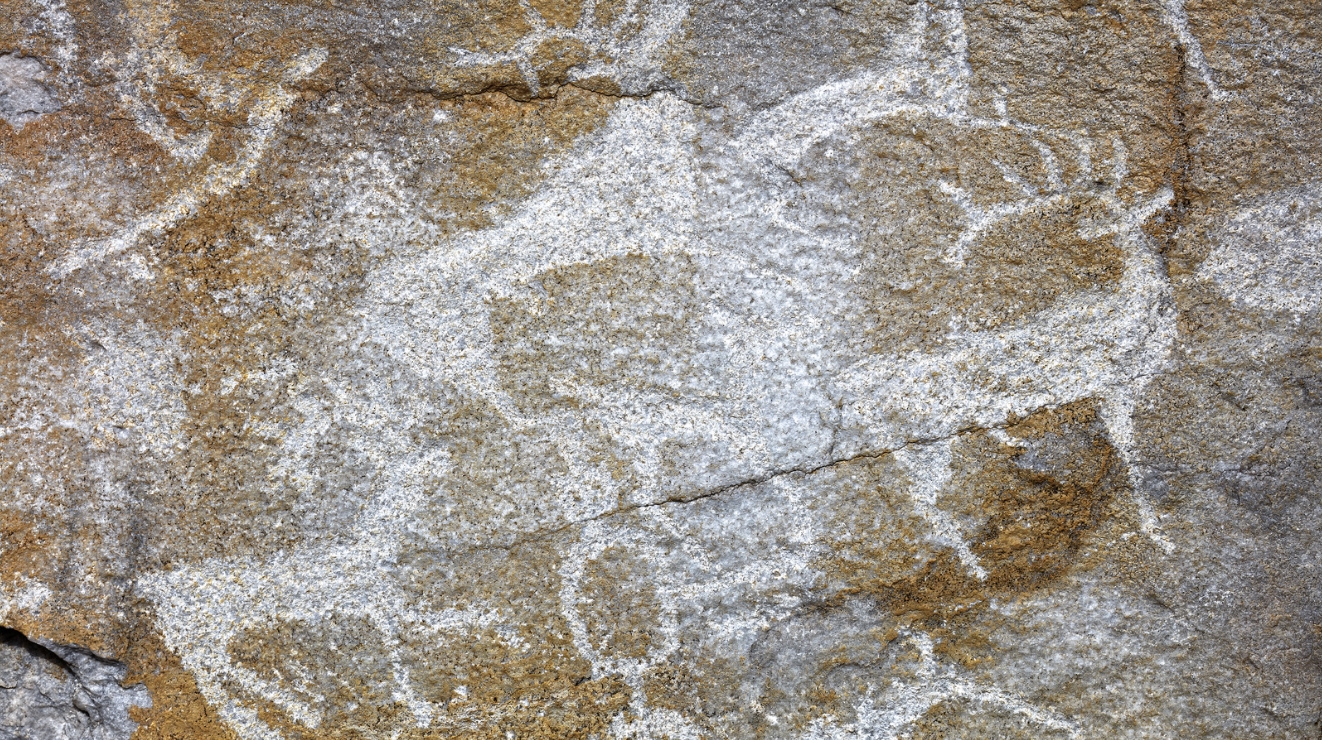
- Symbolic Expression: Humans began creating portable art, such as the Venus figurines and cave paintings. Famous sites like Lascaux and Chauvet in France exhibit sophisticated depictions of animals and abstract symbols.
- Social Complexity: Population density increased, leading to larger social networks. Trading of raw materials, such as obsidian and shells, occurred over long distances, indicating established exchange systems.
- Language: The development of complex, recursive language facilitated the transmission of cultural knowledge and abstract planning across generations.
Comparative Table: Modern vs Archaic Humans
| Feature | Modern Homo sapiens | Archaic Humans |
| Forehead | Vertical | Receding |
| Chin | Present | Absent |
| Brow Ridge | Minimal | Heavy |
| Cranial Shape | Rounded | Long and low |
| Tool Kit | Specialized blades | Simple flakes/cores |
| Art/Symbolism | High | Limited/Absent |
Key Biological and Evolutionary Facts
- Genetic evidence confirms that all living humans share a common ancestor who lived in Africa. The migration out of Africa involved a population bottleneck, which explains the low level of genetic diversity seen in human populations today.
- Interbreeding events occurred outside of Africa. Populations in Eurasia carry DNA sequences inherited from Neandertals. Similarly, populations in Southeast Asia and Oceania possess genetic markers from the Denisovans, another archaic human group that inhabited the region until roughly 40,000 years ago.
- The term anatomically modern refers to the physical skeletal features that align with modern human standards. Behavioral modernity, which includes the full suite of symbolic and technological skills, emerged gradually and became widespread by 50,000 years ago.
- Climatic cycles known as Milankovitch cycles influenced human migration. Expansion occurred during periods when the Sahara desert became a green corridor, allowing for easier passage between Africa and the rest of the world.
- Human adaptability is evidenced by their colonizing of the Arctic regions and the high-altitude plateaus of the Andes and Himalayas within the last 30,000 years. This requires both cultural adaptation, such as clothing and fire, and biological selection for metabolic and respiratory efficiency.
The extinction of other human species, including Neandertals and Denisovans, coincided with the expansion of Homo sapiens. While the exact causes remain a subject of study, it is likely that a combination of superior tool technology, expanded social networks, and environmental changes favored the survival of modern humans.