Neolithic Sites of Kashmir, Rajasthan, Central India, Deccan, South India, Eastern India and North-East India
The Neolithic period marks the onset of food production, sedentary lifestyle, and the use of polished stone tools. It is characterized by diverse regional patterns determined by geography, climate, and local ecological constraints.
Neolithic Sites of Kashmir
The Kashmir Neolithic culture is unique due to its pit-dwelling tradition, which protected inhabitants from extreme cold. These sites are situated in the Jhelum valley.
Key Characteristics
- Sites feature subterranean pit dwellings with plastered walls.
- Tools include polished stone axes, bone needles, harpoons, and awls.
- Burial practices often included the interment of pets, such as dogs, alongside their masters.
- Agriculture involved the cultivation of wheat, barley, and lentils.
Major Sites
- Burzahom: This site is known for pit houses and a unique burial pattern.
- Gufkral: It shows a sequence of occupation where agriculture and pastoralism developed side-by-side.
Neolithic Sites of Rajasthan
The Neolithic sites in Rajasthan are primarily found in the semi-arid regions of the Aravalli range. These sites indicate a transition from hunting-gathering to pastoralism.
Key Characteristics
- The economy relied heavily on animal husbandry, particularly sheep and goat rearing.
- Microlithic tools remained in use alongside ground stone implements.
- Sites often exhibit evidence of early circular huts made of perishable materials.
Major Sites
- Bagor: This is one of the largest Mesolithic-Neolithic sites. It provides evidence for the transition to animal domestication.
- Tilwara: Located near the Luni river, this site shows an adaptation to desert environments.
Neolithic Sites of Central India
Central India contains sites that act as a bridge between the Neolithic and the later Chalcolithic periods. These sites are located along the banks of the Narmada and Son rivers.
Key Characteristics
- The presence of handmade pottery is a primary identifier.
- Cultivation of wild rice and millets was common.
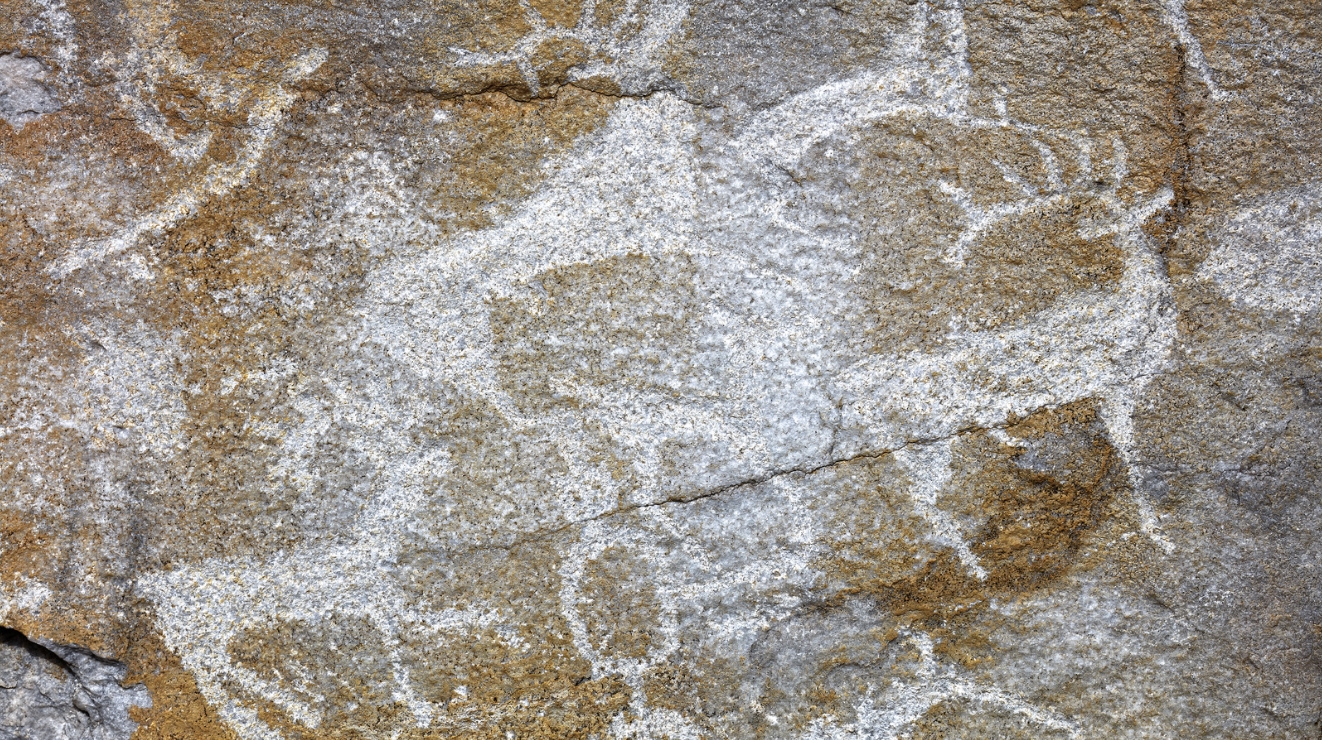
- Proximity to rock shelters allowed for the overlap of Neolithic habitation with rock art traditions.
Major Sites
- Adamgarh: This site displays an extensive workshop area for stone tool manufacturing.
- Bhimbetka: While famous for rock paintings, the upper layers contain Neolithic tool assemblages.
Neolithic Sites of the Deccan
The Deccan Neolithic is famous for its ash mounds. These mounds are composed of accumulated cow dung, suggesting large-scale cattle penning and ritual activities.
Key Characteristics
- The economy was centered on pastoralism, with cattle as the primary wealth.
- Settlements are found on granite hills and rocky outcrops.
- The material culture includes stone axes, grinders, and a distinct red-brown pottery.
Major Sites
- Piklihal: Known for large-scale cattle enclosures.
- Utnur: A site dominated by massive ash mounds.
- Maski: This site shows a transition from Neolithic to Megalithic traditions.
Neolithic Sites of South India
South Indian Neolithic sites are often located in the Tungabhadra and Krishna river basins. They follow the Deccan pattern but show more regional variation in stone tool types.
Key Characteristics
- Polished stone celts are the most common tools.
- The presence of terracotta figurines indicates cultural and symbolic development.
- There is evidence of permanent village structures with circular plans.
Major Sites
- Brahmagiri: Known for its long cultural sequence and cemetery sites.
- Tekkalakota: This site is famous for its rich gold ornaments and polished stone axes.
Neolithic Sites of Eastern India
Eastern India, specifically the Ganga valley and the plateau regions of Jharkhand, represents a unique Neolithic tradition relying on rice cultivation.
Key Characteristics
- The sites feature cord-impressed pottery.
- Bone tools are found in high concentrations, likely due to the lack of hard stone in alluvial floodplains.
- Rice cultivation is well-documented through carbonized grain findings.
Major Sites
- Chirand: This site is vital for understanding Neolithic bone tool technology.
- Koldihwa: It provides one of the earliest dates for domesticated rice cultivation in the world.
- Mahagara: A site known for its cattle pens and agricultural evidence.
Neolithic Sites of North-East India
The North-East Neolithic represents a distinct culture influenced by Southeast Asian traditions, characterized by shouldered stone celts.
Key Characteristics
- The region is marked by shifting cultivation practices.
- Pottery is primarily handmade with cord-marked decorations.
- The absence of metal tools persists for a longer duration compared to other parts of India.
Major Sites
- Daojali Hading: This site is known for its polished stone axes and evidence of jhum or shifting cultivation.
- Sarutaru: Located in Assam, it is a significant site for understanding the Neolithic expansion in the hills.
Comparison of Neolithic Regions
| Region | Primary Crop | Distinctive Tool/Feature |
| Kashmir | Wheat/Barley | Pit dwellings |
| Rajasthan | Pastoralism | Microliths |
| Deccan | Cattle/Millets | Ash mounds |
| Eastern India | Rice | Bone tools |
| North-East | Rice | Shouldered celts |
Facts and Trivia
- Mehrgarh in Balochistan is often cited as the earliest Neolithic site in the Indian subcontinent, dating back to 7000 BCE, providing the first evidence of wheat and barley cultivation.
- The ash mounds of South India are a point of debate among researchers, with some suggesting they are the remains of annual communal burnings of cattle pens.
- The use of ground stone axes was a revolutionary change, as these tools allowed humans to clear the thick deciduous forests of the Ganga valley, making large-scale agriculture possible.
The Neolithic period did not begin or end simultaneously across India; it was a gradual process of cultural diffusion that took thousands of years to reach every corner of the country. Many Neolithic communities continued to practice hunting and gathering for subsistence alongside farming for a long time.