Concept of Prehistoric Archaeology
Prehistoric archaeology is the scientific study of human history before the invention of writing. It relies entirely on the material remains left behind by ancient populations to reconstruct their lifestyles, technologies, social structures, and environments. This field bridges the gap between biological evolution and recorded history. Researchers analyze artifacts, features, and ecofacts to understand the transition from nomadic lifestyles to settled agricultural societies.
Chronological Framework
Archaeologists divide prehistory based on the primary materials used for tool-making. This system helps in identifying the technological progression of early human ancestors.
The Stone Age
The Stone Age is divided into three distinct phases based on the sophistication of lithic (stone) technology.
- Paleolithic Age (Old Stone Age): This represents the longest period in human history. Humans were primarily hunters and gatherers. Tools were crude, consisting of chipped stones like handaxes, choppers, and cleavers.
- Mesolithic Age (Middle Stone Age): This period reflects a transition phase. Tools became smaller, sharper, and more refined, known as microliths. Humans began to domesticate animals and practice incipient cultivation.
- Neolithic Age (New Stone Age): This era marks the transition to food production. Humans began farming, herding, and living in settled villages. Polished stone tools, pottery, and weaving emerged during this time.
The Metal Ages
Following the Stone Age, humans discovered the utility of metals, leading to increased complexity in social and economic life.
- Chalcolithic Age: This is the Copper-Stone Age. It marks the first use of metal (copper) alongside stone tools. Communities developed rudimentary metallurgical skills.
- Bronze Age: This era involves the alloying of copper and tin to produce bronze, a harder and more durable material. It is characterized by the rise of early civilizations, urban centers, and complex administrative systems.
- Iron Age: The discovery of iron smelting revolutionized agriculture and warfare. Iron tools allowed for the clearing of dense forests and more efficient farming, leading to larger population centers.
Key Archaeological Evidence
Archaeologists reconstruct the past through specific categories of physical evidence.
- Artifacts: These are portable objects made or modified by humans. Examples include pottery shards, stone tools, jewelry, and beads.
- Features: These are non-portable human-made remains. Examples include postholes, hearths, storage pits, graves, and building foundations.
- Ecofacts: These are natural items that provide information about the environment and diet of ancient humans. Examples include animal bones, plant remains, pollen samples, and charcoal.
Scientific Dating Methods
Accurate dating is essential for establishing the sequence of events. Scientists utilize various techniques to determine the age of archaeological sites.
| Method | Application |
| Radiocarbon Dating | Measures decay of Carbon-14 in organic materials up to 50,000 years old. |
| Potassium-Argon Dating | Used for volcanic rock layers associated with early hominid fossils. |
| Dendrochronology | Dates events by analyzing tree growth rings. |
| Thermoluminescence | Determines when inorganic materials like pottery were last exposed to heat. |
Research Methodology
The process of prehistoric archaeology involves a structured approach to ensure data integrity and accurate interpretation.
Site Discovery and Survey
Archaeologists identify potential sites through ground surveys or aerial photography. Remote sensing and satellite imagery allow researchers to spot anomalies in the landscape that may indicate buried structures or settlements.
Excavation Techniques
Excavation is a destructive process that must be meticulously documented. Archaeologists use the principle of stratigraphy, which states that in undisturbed deposits, older layers are found below younger layers. Every layer is carefully removed, and every object is mapped in three dimensions to maintain context.
Lab Analysis
Once artifacts and ecofacts are recovered, they undergo cleaning, classification, and chemical analysis. Specialist researchers, such as archaeobotanists and zooarchaeologists, examine the biological remains to determine the climate, available food sources, and human interactions with the natural world.
The Role of Material Culture
Material culture serves as a proxy for human behavior. By examining the style of pottery, the type of stone used for tools, and the layout of dwellings, archaeologists infer the movement of people, trade networks, and cultural exchanges. The presence of non-local raw materials at a site is a strong indicator of ancient trade routes and long-distance interaction.
Challenges in Interpretation
Prehistoric archaeology deals with gaps in the historical record. Many materials, such as wood, textiles, and skin, decay quickly in most environments. This creates a bias toward stone and metal objects, potentially leading to an incomplete understanding of ancient daily life. Archaeologists must synthesize disparate data points to form a cohesive narrative while remaining aware of the limitations of their evidence.
Trivia and Facts
- The Paleolithic period accounts for approximately 99 percent of human history. The concept of the Three-Age System (Stone, Bronze, Iron) was formally introduced by Christian Jürgensen Thomsen in the early 19th century to classify museum collections in Denmark.
- Many early stone tools were made from flint or chert due to their predictable fracturing patterns, which allowed for the creation of sharp edges.
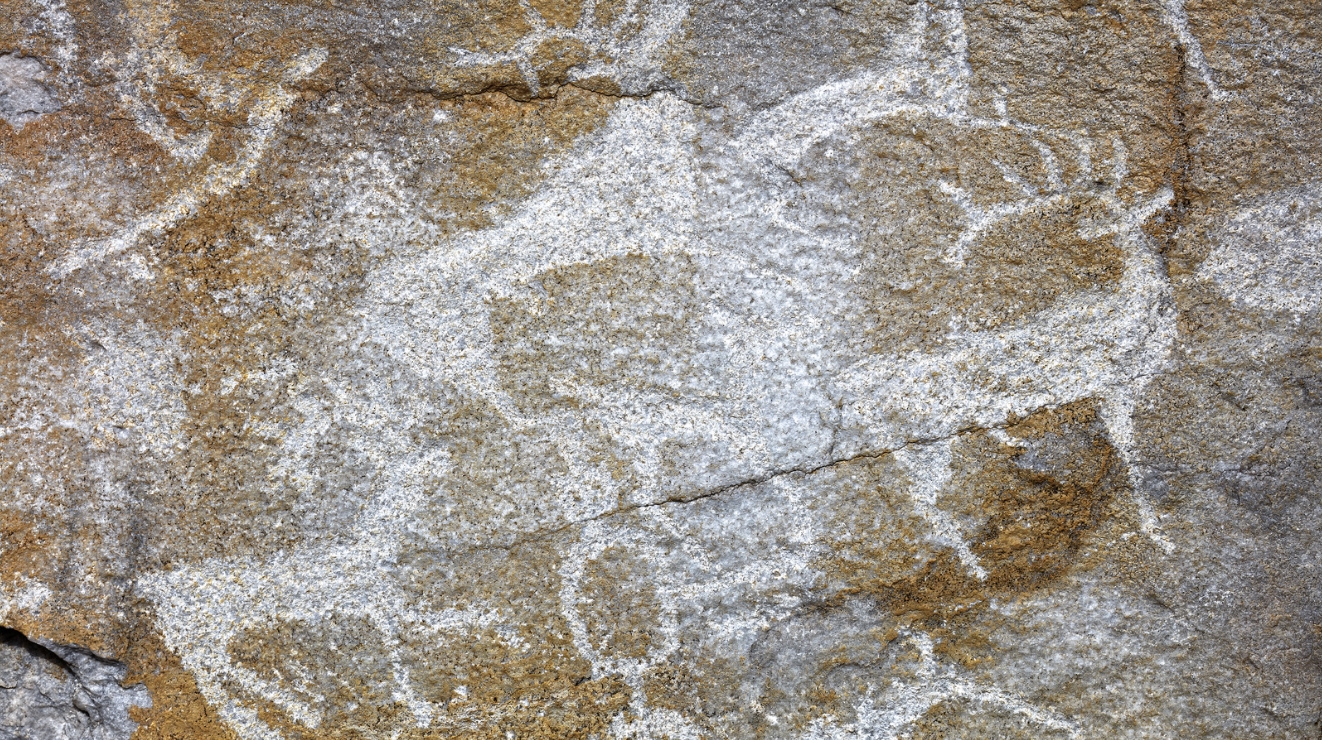
The transition to agriculture, often termed the Neolithic Revolution, occurred independently in different parts of the world, including the Fertile Crescent, East Asia, and Mesoamerica. Rock art, such as cave paintings, provides direct insights into the symbolic and ritualistic lives of prehistoric humans, even in the absence of written records.