
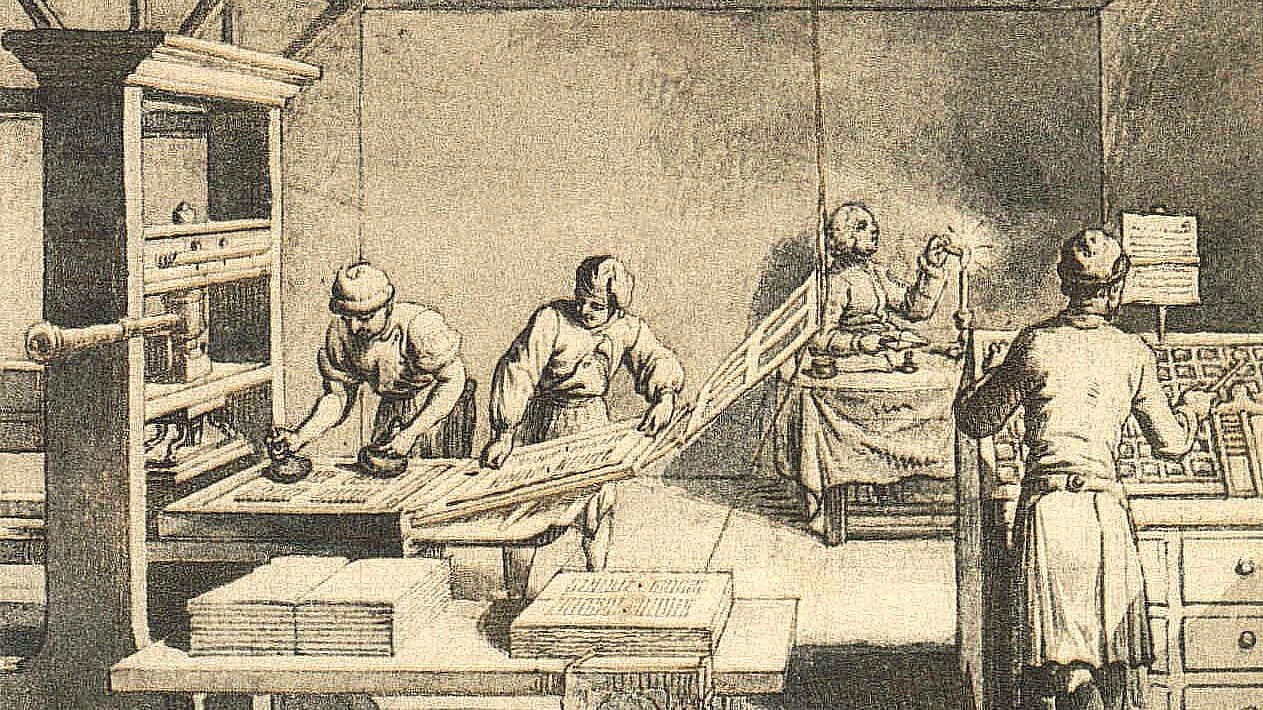
Module 24. Indian Freedom Struggle
The Indian Freedom Struggle represents one of the most remarkable and sustained movements in world history, spanning nearly two centuries of resistance against British colonial domination. It evolved from sporadic revolts and reformist petitions into a mass national movement that ultimately achieved India’s independence in 1947. The struggle was marked by a series of political, social, and ideological developments, reflecting the growing unity, consciousness, and determination of the Indian people.
Early Resistance and the Revolt of 1857
The earliest forms of resistance to British authority were scattered uprisings by rulers, peasants, and tribal communities who opposed colonial policies. Notable examples include the Sanyasi and Fakir Rebellions (late 18th century), the Poligar uprisings in South India, and tribal revolts such as the Santhal (1855–56) and Kol (1831–32) uprisings.
The Revolt of 1857, also known as the First War of Independence, marked the first large-scale and coordinated attempt to overthrow British rule. The revolt began with the mutiny of Indian sepoys at Meerut and soon spread to major centres such as Delhi, Kanpur, Lucknow, Jhansi, and Gwalior. Leaders like Rani Lakshmibai, Tantia Tope, Bahadur Shah II, and Nana Sahib became symbols of defiance.
Although the revolt was eventually suppressed due to lack of unified leadership, inadequate organisation, and British military superiority, it fundamentally altered the course of Indian history. The East India Company was abolished in 1858, and India came under direct rule of the British Crown, inaugurating the next phase of the national movement.
Rise of National Consciousness (1858–1885)
The period following 1858 witnessed the emergence of modern political consciousness in India, driven by Western education, the press, and socio-religious reform movements. Reformers such as Raja Ram Mohan Roy, Ishwar Chandra Vidyasagar, Swami Vivekananda, and Syed Ahmad Khan promoted rationalism, national unity, and social reform.
The growth of the English-educated middle class, expansion of communication networks, and discriminatory British policies such as racial segregation and economic exploitation fostered political awareness. Organisations like the Indian Association (1876), Poona Sarvajanik Sabha, and Madras Mahajan Sabha prepared the ground for an all-India political platform.
Formation of the Indian National Congress (1885)
The Indian National Congress (INC) was founded in 1885 by A. O. Hume, a retired British civil servant, along with Indian leaders such as Dadabhai Naoroji, W. C. Bonnerjee, and Dinshaw Wacha. Its first session, held in Bombay, marked the beginning of organised political activity at a national level.
The early phase of the Congress, known as the Moderate Phase (1885–1905), was dominated by leaders like Gopal Krishna Gokhale, Pherozeshah Mehta, and Surendranath Banerjee. They believed in peaceful methods—petitions, resolutions, and appeals to British liberalism—to secure constitutional reforms and Indian participation in governance.
Although their achievements were limited, they succeeded in creating a sense of political unity and in spreading national awareness across the country.
The Rise of Extremism and Swadeshi Movement (1905–1917)
Dissatisfaction with the moderate approach and the Partition of Bengal (1905) by Lord Curzon led to the rise of the Extremist or Militant Nationalist movement. Leaders such as Bal Gangadhar Tilak, Bipin Chandra Pal, and Lala Lajpat Rai—known as the Lal-Bal-Pal trio—advocated Swaraj (self-rule) and direct action through boycotts, Swadeshi (use of indigenous goods), and national education.
The Swadeshi and Boycott Movements (1905–08) marked the first mass participation in the freedom struggle. The movement spread across Bengal and other regions, inspiring self-reliance and national pride. Anandamath by Bankim Chandra Chatterjee and the song ‘Vande Mataram’ became symbols of resistance.
Simultaneously, revolutionary groups such as the Anushilan Samiti and Jugantar in Bengal, and later the Hindustan Socialist Republican Association (HSRA), resorted to militant methods to challenge British rule.
The split between Moderates and Extremists at the Surat Session (1907) weakened the movement temporarily, but nationalism continued to grow, now rooted in popular consciousness.
Home Rule Movements and the Lucknow Pact (1916–1917)
The years before the First World War witnessed renewed political activity. The Home Rule Movements, launched by Bal Gangadhar Tilak in Western India and Annie Besant in the South (1916), demanded self-government within the British Empire, similar to dominion status.
The Lucknow Pact (1916) between the Congress and the All India Muslim League, led by Muhammad Ali Jinnah, was a landmark in Hindu–Muslim unity. It provided a common platform for constitutional reforms and demonstrated India’s growing political maturity.
Gandhian Era and Mass Movements (1919–1942)
The entry of Mahatma Gandhi into Indian politics transformed the freedom struggle into a mass movement rooted in non-violence and truth. Gandhi’s philosophy of Satyagraha and Ahimsa united millions of Indians across class, caste, and region.
- Rowlatt Satyagraha (1919): Gandhi launched the movement against the Rowlatt Act, which authorised detention without trial. The Jallianwala Bagh Massacre (13 April 1919), where hundreds were killed under General Dyer, intensified national outrage.
- Non-Cooperation Movement (1920–22): Launched in protest against the Jallianwala Bagh tragedy and the Khilafat Movement, it urged Indians to boycott British institutions, schools, and law courts. The movement achieved nationwide participation but was suspended after the Chauri Chaura incident (1922), where violence erupted.
- Civil Disobedience Movement (1930–34): Gandhi initiated the movement with the Dandi March (1930), protesting against the salt tax. Millions participated by refusing to pay taxes and boycotting foreign goods. The movement led to the Gandhi–Irwin Pact (1931) and India’s representation at the Second Round Table Conference, though it failed to achieve immediate political gains.
- Quit India Movement (1942): Launched during the Second World War, the movement demanded the immediate withdrawal of British power. Gandhi’s call of “Do or Die” ignited widespread protests, strikes, and sabotage. Although brutally suppressed, it demonstrated the irreversible momentum of the independence struggle.
Revolutionary and Socialist Movements
Alongside Gandhian movements, several revolutionary groups continued the armed struggle. Leaders like Bhagat Singh, Chandra Shekhar Azad, Ram Prasad Bismil, and Rajguru symbolised the spirit of youthful defiance. The Kakori Conspiracy (1925) and Lahore Conspiracy Case (1931) became iconic moments of revolutionary nationalism.
In parallel, socialist and communist movements gained strength under leaders such as M. N. Roy, Subhas Chandra Bose, and Jayaprakash Narayan, emphasising economic justice and anti-imperialism. Bose’s formation of the Indian National Army (INA) and the slogan “Give me blood, and I will give you freedom” inspired patriotic fervour across India and Southeast Asia.
Constitutional Reforms and Final Phase (1935–1947)
The Government of India Act of 1935 introduced provincial autonomy and elections, resulting in Congress ministries in several provinces (1937–39). However, differences over India’s participation in the Second World War without consultation led to resignations of these ministries in protest.
After the war, Britain faced immense pressure both domestically and internationally to grant independence. The Cripps Mission (1942) and Cabinet Mission Plan (1946) attempted constitutional settlements but failed due to political disagreements, particularly between the Congress and the Muslim League.
The demand for a separate Muslim homeland, articulated by Muhammad Ali Jinnah, culminated in the Partition of India. The Mountbatten Plan (June 1947) proposed the division of British India into India and Pakistan. On 15 August 1947, India achieved independence after nearly two centuries of British rule.
Social and Ideological Dimensions
The Indian freedom struggle was not confined to political independence alone. It was also a battle for social reform, economic justice, and cultural renaissance. Leaders such as B. R. Ambedkar advocated the upliftment of the oppressed classes and the annihilation of caste. Women leaders like Sarojini Naidu, Annie Besant, Aruna Asaf Ali, and Kasturba Gandhi played prominent roles in mass movements, symbolising gender empowerment.
The freedom struggle fostered a sense of national identity that transcended regional, linguistic, and religious boundaries. Literature, journalism, and education became vehicles of national awakening, with newspapers such as Kesari, Amrita Bazar Patrika, and Young India spreading patriotic ideas.
Significance and Legacy
The Indian Freedom Struggle was a comprehensive movement encompassing political action, social reform, and cultural revival. It demonstrated the power of unity, non-violence, and mass participation against one of the strongest empires in history.
India’s independence in 1947 was not merely the end of colonial rule but the triumph of collective sacrifice, moral conviction, and political vision. The movement left an enduring legacy of democracy, secularism, and social justice, shaping the character of modern India.
Dr Gayathri K
July 24, 2019 at 6:10 pmHow can I know my application ID number if I lost application